Skip to content

Mobile Prenatal and Postnatal Physiotherapy: Expert Care That Comes to You

11 min read

Growing a baby and recovering after birth are two of the most transformative experiences in a woman’s life. Mobile prenatal and postnatal physiotherapy brings specialized care directly to your home, helping you stay comfortable during pregnancy and recover stronger after delivery. When you’re juggling doctor’s appointments, managing discomfort, or caring for a newborn, having a physiotherapist visit you makes all the difference.

This type of care isn’t just convenient. It’s designed around your changing body, your schedule, and your specific needs at every stage of motherhood.

What Is Mobile Prenatal and Postnatal Physiotherapy?

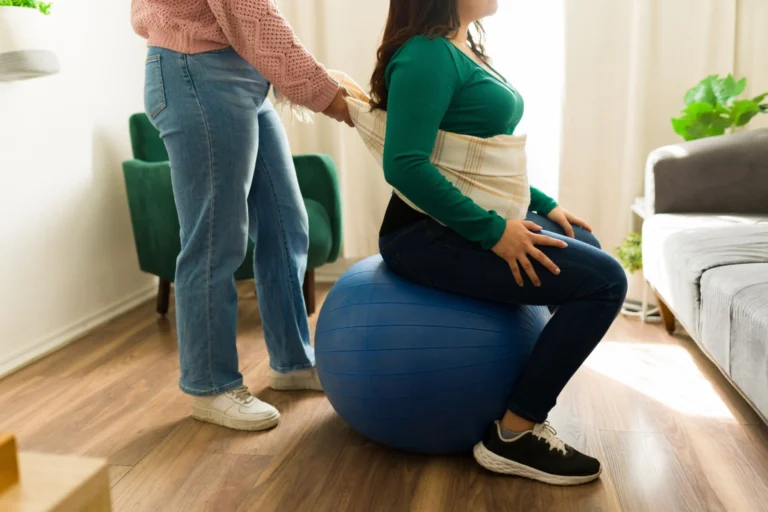
Mobile prenatal and postnatal physiotherapy involves a qualified physiotherapist traveling to your home to provide personalized treatment. During pregnancy, the focus is on managing pain, improving posture, and preparing your body for labor. After birth, the sessions shift to pelvic floor recovery, core strength rebuilding, and addressing any complications like diastasis recti or back pain.

Unlike clinic-based care, mobile services eliminate travel stress and allow treatment in your most comfortable environment.

Key benefits include:

  • No need to commute when you’re uncomfortable or exhausted
  • Sessions scheduled around your routine, not clinic hours
  • Treatment in a familiar, relaxed setting
  • One-on-one attention without distractions
  • Family members can observe and learn supportive techniques

Many expectant and new mothers find that at-home physiotherapy reduces anxiety and improves treatment outcomes because they’re not rushing between appointments.
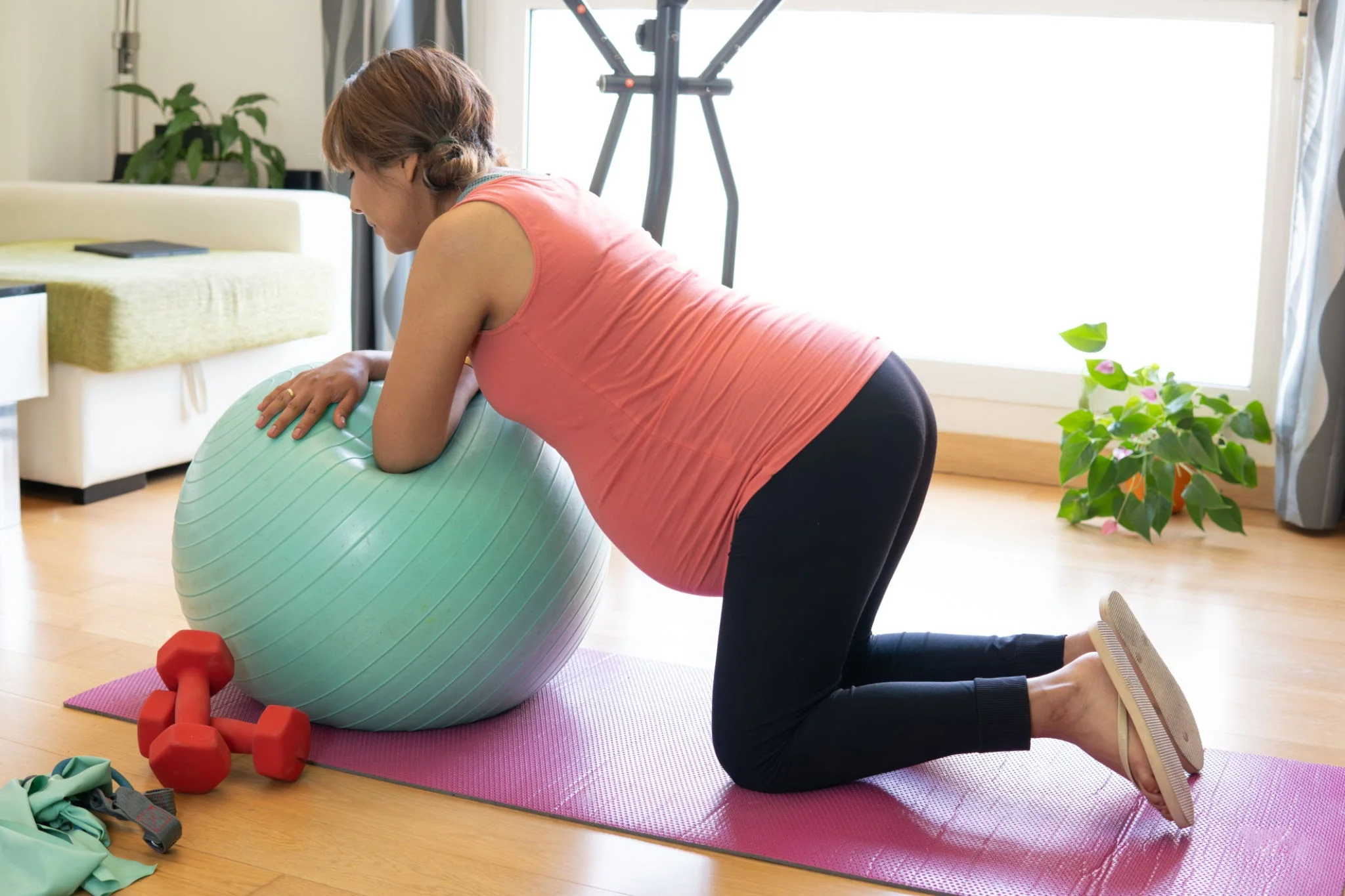
A pregnant woman doing gentle stretches at home with a physiotherapist's guidance

Common Pregnancy Issues That Physiotherapy Can Address

Pregnancy changes your body in profound ways. Hormones loosen ligaments, your center of gravity shifts, and extra weight puts strain on joints and muscles. Mobile physiotherapists are trained to treat these specific challenges:

Lower back and pelvic pain: Affecting up to 50% of pregnant women, this discomfort responds well to manual therapy, strengthening exercises, and posture correction.

Carpal tunnel syndrome: Fluid retention can compress nerves in your wrists. Physiotherapy includes gentle stretches and positioning advice.

Round ligament pain: Sharp pains in your lower abdomen benefit from targeted exercises that support your growing belly.

Sciatica: Nerve pain radiating down your leg can be managed with stretches, core strengthening, and positioning strategies.

Swelling and circulation issues: Specialized massage and movement protocols help reduce fluid buildup in your legs and feet.

“I couldn’t believe how much better I felt after just two sessions. My physio showed me simple exercises I could do every day, and my back pain went from unbearable to manageable. Having her come to my home meant I didn’t have to drive 40 minutes each way while pregnant.” – Sarah T., Sydney

For mothers dealing with pregnancy-related discomfort, exploring physiotherapy for chronic pain can provide additional relief strategies.

Preparing Your Body for Labor and Delivery

Physiotherapy during pregnancy isn’t just about managing pain. It’s about preparing your body for one of the most physically demanding events you’ll experience. Mobile physiotherapists teach you:

  • Breathing techniques that help during contractions
  • Pelvic floor awareness for pushing effectively
  • Labor positions that can reduce pain and speed delivery
  • Perineal massage techniques to potentially reduce tearing
  • Core and pelvic stability exercises that support your body during birth

These preparations can lead to shorter labor times, reduced need for interventions, and faster postpartum recovery.

Postnatal Recovery: Beyond the Six-Week Check

The postpartum period is often called the “fourth trimester” for good reason. Your body needs dedicated support to heal and rebuild strength. Mobile postnatal physiotherapy addresses:

Pelvic floor dysfunction: Including incontinence, urgency, or prolapse symptoms that affect many new mothers.

Diastasis recti: The separation of abdominal muscles that occurs in approximately 60% of pregnancies.

Cesarean section recovery: Scar tissue management, core reactivation, and safe return to movement.

Postural issues: From feeding, carrying, and caring for your baby.

General weakness and fatigue: Rebuilding strength safely without risking injury.

Starting physiotherapy early in the postpartum period, rather than waiting for problems to develop, leads to better long-term outcomes. Learn more about specialized support at home options available for new mothers.

A new mother doing core exercises on a mat at home with baby nearby in a bassinet

Why Mobile Service Makes Sense for New Mothers

Leaving home with a newborn can feel overwhelming. Between feeding schedules, diaper bags, car seats, and unpredictable crying, even simple errands become major undertakings. Mobile physiotherapy removes these barriers:

  • Treatment happens during nap times or feeding windows
  • No stress about baby crying in a clinic waiting room
  • Your physiotherapist can assess your home setup and suggest ergonomic improvements
  • Sessions can include your partner, who learns how to support your recovery
  • You can immediately practice exercises in your actual living space

This convenience factor isn’t trivial. Studies show that mothers are more likely to complete their physiotherapy programs when treatment comes to them. If you’re curious about how this model works more broadly, check out what is mobile physiotherapy for a comprehensive overview.

Comparison: Clinic-Based vs. Mobile Physiotherapy for Mothers

FactorClinic-BasedMobile Service
Travel requiredYes, with baby and equipmentNo, physio comes to you
Session timingFixed clinic hoursFlexible around your schedule
EnvironmentUnfamiliar, clinicalYour comfortable home
Partner involvementDifficult to arrangeEasy for partner to participate
Real-world practiceGeneric exercisesExercises in your actual space
Treatment continuityMay skip if travel is hardHigher completion rates

Specialized Care for Different Stages

First Trimester: Focus on managing nausea-related posture, maintaining safe exercise, and addressing early discomfort.

Second Trimester: Emphasis on strengthening, balance training, and learning proper body mechanics for your changing shape.

Third Trimester: Preparation for labor, managing increased discomfort, and planning for postpartum recovery.

Immediate Postpartum (0-6 weeks): Gentle pelvic floor checks, breathing exercises, and light movement to aid healing.

Extended Postpartum (6 weeks+): Progressive strength rebuilding, addressing specific complications, and safe return to exercise.

For mothers who experienced complications during birth, services like CTP physiotherapy NSW or work cover physiotherapy may provide additional support options.

Prenatal & Postnatal Physiotherapy Timeline

Your Prenatal & Postnatal Physiotherapy Journey

1st
Prenatal First Trimester
Weeks 1-13

Key Focus Areas:

  • Managing nausea-related posture changes
  • Establishing safe exercise routines
  • Early pregnancy discomfort relief
  • Pelvic floor awareness education
2nd
Prenatal Second Trimester
Weeks 14-27

Key Focus Areas:

  • Core and pelvic stability strengthening
  • Balance training for changing center of gravity
  • Proper body mechanics education
  • Managing round ligament pain
3rd
Prenatal Third Trimester
Weeks 28-40

Key Focus Areas:

  • Labor preparation and breathing techniques
  • Optimal birthing positions training
  • Managing increased back and pelvic pain
  • Perineal massage instruction
0-6w
Postnatal Early Postpartum
0-6 Weeks After Birth

Key Focus Areas:

  • Gentle pelvic floor assessment
  • Breathing and gentle movement exercises
  • C-section scar care (if applicable)
  • Postural support for feeding and carrying
6-12w
Postnatal Progressive Recovery
6-12 Weeks Postpartum

Key Focus Areas:

  • Diastasis recti assessment and treatment
  • Gradual core strength rebuilding
  • Addressing pelvic floor dysfunction
  • Safe return to daily activities
3-6m
Postnatal Building Strength
3-6 Months Postpartum

Key Focus Areas:

  • Progressive resistance training
  • Functional movement patterns
  • Addressing persistent back or pelvic pain
  • Preparing for return to exercise
6-12m
Postnatal Return to Activity
6-12 Months Postpartum

Key Focus Areas:

  • Safe return to high-impact exercise
  • Advanced core and pelvic floor strengthening
  • Sport-specific training if desired
  • Long-term wellness maintenance

What to Expect During Your First Mobile Session

Your initial appointment typically lasts 60-90 minutes. Your physiotherapist will:

  1. Review your medical history, pregnancy journey, and current concerns
  2. Conduct a physical assessment of posture, strength, flexibility, and pelvic floor function
  3. Create a personalized treatment plan based on your specific needs and goals
  4. Teach you initial exercises and demonstrate proper technique
  5. Provide resources you can reference between sessions
  6. Schedule follow-up appointments at appropriate intervals

Most mothers benefit from weekly sessions initially, then transitioning to fortnightly or monthly check-ins as they progress.

Ready to experience the convenience and expertise of in-home care? Contact a mobile physiotherapy service to schedule your initial consultation.

Integration with Other Healthcare Providers

Mobile physiotherapists work collaboratively with your existing care team. They communicate with your:

  • Obstetrician or midwife about your pregnancy progress
  • GP regarding any complications or concerns
  • Lactation consultant if breastfeeding impacts your posture
  • Pelvic health specialist for complex pelvic floor issues

This integrated approach ensures everyone is working toward your optimal health and recovery. For families with additional needs, services extend to mobile paediatric physiotherapy once your baby grows.

Exercise Safety Guidelines for Expectant Mothers

Your mobile physiotherapist will ensure all exercises are appropriate for your stage of pregnancy and individual circumstances. General safety principles include:

  • Avoid lying flat on your back after 16 weeks of pregnancy
  • Stay hydrated and avoid overheating
  • Listen to your body and stop if you experience pain, dizziness, or unusual symptoms
  • Modify exercises as your pregnancy progresses
  • Focus on functional movements that support daily activities

Never attempt advanced exercises without professional guidance. What worked before pregnancy may not be safe now. Your physiotherapist adjusts everything to your current capabilities and medical status.

Discover the full range of services offered by a mobile physio to understand how comprehensive this care can be.

Who Should Consider Mobile Prenatal and Postnatal Physiotherapy?

This service benefits virtually all pregnant and postpartum women, but it’s particularly valuable if you:

  • Have limited mobility or transportation challenges
  • Are experiencing significant pregnancy-related pain
  • Had complications during previous pregnancies
  • Are recovering from a cesarean section or difficult birth
  • Have twins or multiples
  • Have pre-existing conditions like back problems or joint issues
  • Live in areas with limited access to specialized women’s health clinics
  • Have other children at home making clinic visits difficult

Even if you feel relatively comfortable during pregnancy, preventive physiotherapy can help you avoid problems and prepare your body for the demands ahead.

For expectant mothers in specific areas, explore mobile physiotherapy in Sydney, Brisbane, the Gold Coast to find local services.

Long-Term Benefits of Prenatal and Postnatal Physiotherapy

Investing in physiotherapy during and after pregnancy pays dividends for years to come:

  • Reduced risk of chronic pelvic floor dysfunction that can affect you for life
  • Faster return to pre-pregnancy fitness levels and activities you enjoy
  • Better core stability preventing future back pain
  • Improved body awareness that helps in future pregnancies
  • Prevention of long-term complications from untreated birth injuries

Many women report that physiotherapy during this period transformed not just their recovery, but their overall relationship with their body and physical health.

Explore additional physiotherapy blogs for more insights into specialized care and treatment approaches.

HND girl image

You Can Find All Answers Here

You can begin anytime during pregnancy, but starting in the second trimester is ideal. This gives you time to address emerging issues and prepare for labor. However, it's never too late. Even starting in the third trimester provides valuable benefits.


Yes, maintaining pelvic floor awareness and doing appropriate exercises during pregnancy is beneficial and safe. Your mobile physiotherapist will teach you techniques specific to pregnancy that help during delivery and reduce postpartum complications.


You can have an initial gentle assessment as early as 1-2 weeks postpartum, even before your six-week check. Early intervention focuses on breathing, gentle movement, and pelvic floor awareness. More intensive rehabilitation typically begins after your doctor clears you at six weeks.


Many private health insurance policies cover physiotherapy services, including mobile visits. Coverage varies by provider and policy level, so check with your insurer. Medicare may also provide rebates through chronic disease management plans arranged with your GP. For specific cost information, see how much does it cost to see a physiotherapist in Australia.


Absolutely. Back pain during pregnancy is incredibly common, and mobile physiotherapy is highly effective for managing it. Your physiotherapist uses manual therapy, specific exercises, posture correction, and education to reduce pain and prevent it from worsening. Learn more about physiotherapy for back problems and treatment approaches.


Get Physio Care at Home – No Waiting, Just Relief!

We bring expert physiotherapy directly to your door, with no hassle or long wait times. Our skilled, NDIS-approved physiotherapists are here to help you feel better, faster.

Landing Page Form
Health Next Door

Health Next Door, we bring mobile physiotherapy to your doorstep, ensuring a patient-centric approach that prioritizes your needs and goals. Our experienced physiotherapists assess your condition and create a personalized therapy plan, helping you recover in the comfort of your home with expert care tailored just for you. With our comprehensive mobile physiotherapy services, you get professional treatment for pain relief, injury recovery, and mobility improvement—all without leaving your home. Experience convenient, high-quality care designed to fit your lifestyle.

View All Articles

Leave a Reply

Your email address will not be published. Required fields are marked *