What Is Hydrotherapy Good For? Benefits, Conditions Treated, and Who Can Benefit Most

What Is Hydrotherapy?
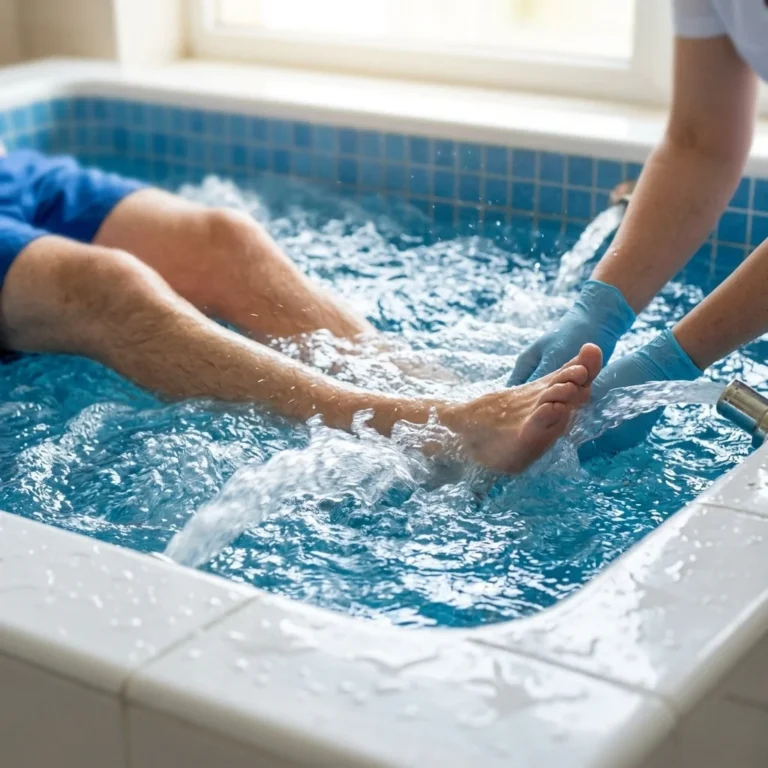
Hydrotherapy is a specialised form of physiotherapy performed in a heated pool, typically kept between 33 and 36 degrees Celsius. The sessions are designed and supervised by qualified physiotherapists who prescribe specific exercises based on each patient’s condition, goals, and physical capacity.
It is not the same as swimming or aqua aerobics. Hydrotherapy sessions are one-on-one or small group treatments with clinical goals, and every exercise is chosen for a specific therapeutic reason.
The properties of warm water make it uniquely effective for rehabilitation. Buoyancy supports the body and reduces the load on joints, which means people can move with less pain. Hydrostatic pressure helps reduce swelling in injured limbs. Water resistance provides gentle strengthening without needing weights or machines. And the warmth itself relaxes tight muscles, improves blood circulation, and reduces pain sensitivity.
Hydrotherapy is commonly recommended by physiotherapists for people who find traditional land-based exercise too painful, too difficult, or too intimidating. It is particularly effective for patients who are non-weight bearing after surgery, elderly patients with significant joint stiffness, and people living with neurological conditions that affect their balance and coordination.
Learn more about hydrotherapy at Health Next Door
Why Hydrotherapy Works So Well
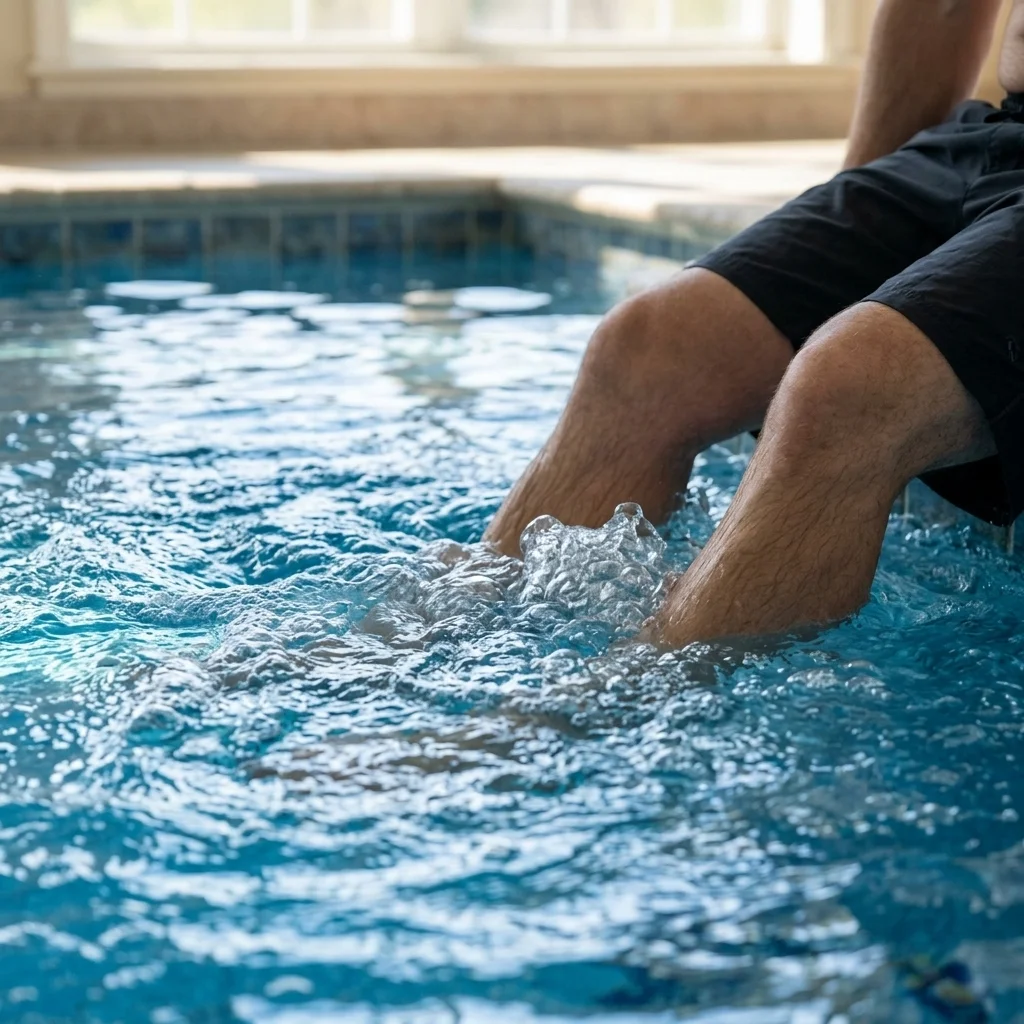
Water changes the rules of movement. On land, gravity pulls down on every joint, compresses every disc in the spine, and makes every step carry the full weight of the body. In water, that changes dramatically.
When you are submerged to waist level, your body weight is effectively reduced by around 50 percent. At chest depth, it drops to roughly 20 to 30 percent of your normal body weight. At shoulder depth, you are carrying only about 10 percent. For a person with painful knee arthritis, this is the difference between grimacing through every step and walking comfortably for the first time in months.
Beyond buoyancy, warm water relaxes muscles and reduces pain sensitivity. The hydrostatic pressure of water surrounding the body helps reduce swelling in injured or post-surgical limbs. And the resistance that water provides in every direction means that even simple movements like walking or lifting the arms become gentle strengthening exercises.
This combination makes hydrotherapy effective for both acute rehabilitation after injury or surgery and ongoing physical management for chronic conditions.
“Many people who struggle to exercise on land discover they can move confidently and comfortably in water. For some patients, hydrotherapy is the first time in years they have been able to exercise without pain.” – Mobile physiotherapist, Health Next Door
Conditions Hydrotherapy Can Help Treat
Hydrotherapy is used for a wide range of conditions across different age groups. It is not limited to one type of injury or one stage of recovery. Physiotherapists recommend it for acute post-surgical rehabilitation, chronic disease management, neurological conditions, and general mobility decline in older adults.
Hydrotherapy May Help With:
Arthritis and joint pain, particularly osteoarthritis of the hips, knees, and spine. The warm water reduces joint stiffness and allows a greater range of motion than patients can achieve on land.
Chronic pain conditions including fibromyalgia, persistent back pain, and widespread musculoskeletal pain. Water-based exercise provides pain relief through warmth and reduced load while building the strength and endurance that are essential for long-term pain management.
Neurological conditions such as Parkinson’s disease, stroke recovery, multiple sclerosis, and traumatic brain injury. The water provides support for balance and coordination training that would be too risky on land.
Post-surgical rehabilitation following hip replacement, knee replacement, spinal surgery, ankle surgery, and other orthopaedic procedures. The buoyancy allows earlier mobilisation without overloading healing structures.
Sports injuries and musculoskeletal injuries where land-based exercise is too painful in the early recovery stages.
Mobility decline and deconditioning in elderly patients, particularly those who have experienced a fall and lost confidence in their ability to move safely.
NDIS participants with physical disabilities who benefit from supported, low-impact exercise to maintain or improve their functional capacity.
For people living with chronic conditions, hydrotherapy can often improve daily function and independence when combined with a comprehensive physiotherapy program. If your condition also involves chronic pain that affects your daily life, a physiotherapist can design a hydrotherapy plan alongside land-based treatment to address both. Read more in our guide on physiotherapy for chronic pain.
Hydrotherapy for Seniors
Hydrotherapy is especially beneficial for older adults, and it is one of the most commonly recommended forms of exercise by physiotherapists working with aged care patients.
Many seniors experience a combination of joint stiffness, muscle weakness, balance problems, reduced confidence, and a fear of falling. These issues feed into each other. Joint pain leads to reduced movement, which leads to muscle weakness, which increases fall risk, which increases fear of moving, which leads to even less activity. It is a cycle that can be very difficult to break.
Hydrotherapy interrupts that cycle. The warm water reduces joint pain enough that movement becomes possible. The buoyancy supports the body so that falls are not a concern. The resistance of the water provides gentle strengthening. And the warmth helps with circulation, stiffness, and overall comfort.
Benefits for Seniors
| Benefit | How Hydrotherapy Helps |
|---|---|
| Joint pain relief | Buoyancy reduces weight on joints, allowing movement with less pain |
| Balance improvement | Water supports the body and provides a safe environment to practice balance |
| Safer movement | Virtually no risk of falling and injuring yourself in the pool |
| Improved circulation | Warm water promotes blood flow and reduces swelling in the lower limbs |
| Better mobility | Easier movement patterns in water build confidence for movement on land |
| Reduced stiffness | Heat relaxes muscles and loosens stiff joints before exercise begins |
| Emotional wellbeing | Social interaction and achievement in the pool improves mood and motivation |
Hydrotherapy is often recommended alongside aged care physiotherapy for seniors who want to maintain independence and confidence in their daily lives. For seniors who also qualify under the new aged care reforms, home physiotherapy under Support at Home can be combined with hydrotherapy for a comprehensive mobility program.
For practical exercises seniors can do at home between hydrotherapy sessions, our guide on balance exercises for seniors at home is a helpful resource. Understanding how to prevent falls in the elderly is also essential for anyone supporting an older family member.
Hydrotherapy for Neurological Conditions
People living with neurological conditions often benefit enormously from hydrotherapy because water provides a uniquely supportive environment for retraining movement patterns, improving coordination, and rebuilding confidence.
Conditions that respond well to hydrotherapy include Parkinson’s disease, stroke recovery, multiple sclerosis, traumatic brain injury, cerebral palsy, and other neurological mobility disorders.
On land, neurological patients often face a difficult challenge. Their brain is telling their body to move, but the signals are not getting through clearly. Muscles may be stiff, weak, or uncoordinated. Balance is unreliable. The fear of falling makes every step feel risky. In water, the buoyancy removes the fear of falling, the warmth reduces spasticity and muscle tightness, and the resistance of the water provides sensory feedback that helps the brain relearn movement patterns.
Hydrotherapy can help neurological patients improve walking patterns, coordination, balance, muscle activation, confidence with movement, and independence with daily activities.
At Health Next Door, neurological physiotherapy is one of our core services. For patients with Parkinson’s disease, we also offer the PD Warrior exercise program, which can be complemented with hydrotherapy sessions for a well-rounded neurological rehabilitation plan.
Hydrotherapy After Surgery
Hydrotherapy is commonly used after surgery because it allows gentle rehabilitation without excessive pressure on healing structures. The buoyancy of water means patients can begin moving and strengthening earlier than they could on land, which leads to faster recovery and better long-term outcomes.
This is especially helpful after knee replacement surgery, hip replacement surgery, spinal surgery, ankle surgery, and other orthopaedic procedures.
After surgery, people often feel hesitant to move. Pain, swelling, stiffness, and the fear of damaging the surgical repair all contribute to reduced movement. Unfortunately, the longer a joint stays still after surgery, the stiffer it becomes and the harder rehabilitation becomes later.
Water helps by reducing body weight pressure on the healing joint, supporting safer and earlier movement, encouraging confidence during rehabilitation, and allowing the physiotherapist to progress exercises faster than would be safe on land.
For patients recovering from hip or knee replacement, our guides on physiotherapy after hip replacement and common mistakes after knee replacement cover the full rehabilitation process.
Post-surgical rehabilitation through hydrotherapy is also beneficial for ankle surgeries, where the reduced weight bearing in water allows earlier mobilisation. Our guide on physiotherapy for ankle pain covers when hydrotherapy is appropriate in the ankle recovery timeline.
Hydrotherapy for Chronic Pain
People living with chronic pain often find themselves trapped in a difficult cycle. Movement hurts, so they move less. Moving less leads to muscle weakness, stiffness, and deconditioning. The weaker and stiffer the body becomes, the more painful movement feels. Over time, the cycle tightens and daily activities become harder and harder.
Hydrotherapy offers a way to break that cycle. The warm water reduces pain sensitivity, relaxes tight muscles, and takes pressure off painful joints. This creates a window of reduced pain during the session where the patient can exercise, strengthen, and stretch in ways that would be too uncomfortable on land.
The conditions most commonly supported by hydrotherapy for chronic pain management include fibromyalgia, osteoarthritis and rheumatoid arthritis, chronic lower back pain, sciatica, persistent neck pain, and ankylosing spondylitis.
For patients managing chronic pain conditions, hydrotherapy works best when combined with a tailored physiotherapy program. If your chronic pain is related to a workplace injury, WorkCover physiotherapy may cover both hydrotherapy and home-based treatment. For those recovering from motor vehicle accidents, CTP physiotherapy provides a funded pathway to access ongoing pain management including water-based therapy. Our guides on physiotherapy for chronic pain and physio for sciatica cover these conditions in more detail.
Hydrotherapy vs Traditional Physiotherapy
Both approaches are highly effective, and they are not competing options. Most physiotherapy programs that include hydrotherapy also include land-based treatment. The two work together. Hydrotherapy provides the pain relief, early mobilisation, and confidence building that makes land-based rehabilitation possible and more effective.
| Feature | Hydrotherapy | Traditional Physiotherapy |
|---|---|---|
| Environment | Heated pool (33 to 36 degrees) | Clinic, home, or gym setting |
| Joint pressure | Significantly reduced by buoyancy | Full body weight loading |
| Pain during exercise | Generally lower due to warmth and buoyancy | Can be higher for painful conditions |
| Fall risk | Virtually eliminated | Present, especially for elderly or neurological patients |
| Strengthening | Gentle resistance from water in all directions | Greater range of equipment and resistance options |
| Best for | Early rehabilitation, chronic pain, elderly, neurological | Advanced strengthening, sport-specific rehab, functional training |
Many physiotherapy programs combine both approaches for the best long-term outcomes. A patient might begin with hydrotherapy in the early weeks after surgery when pain and stiffness are highest, then gradually transition to more land-based work as their strength and confidence improves.
Who Can Benefit Most From Hydrotherapy?
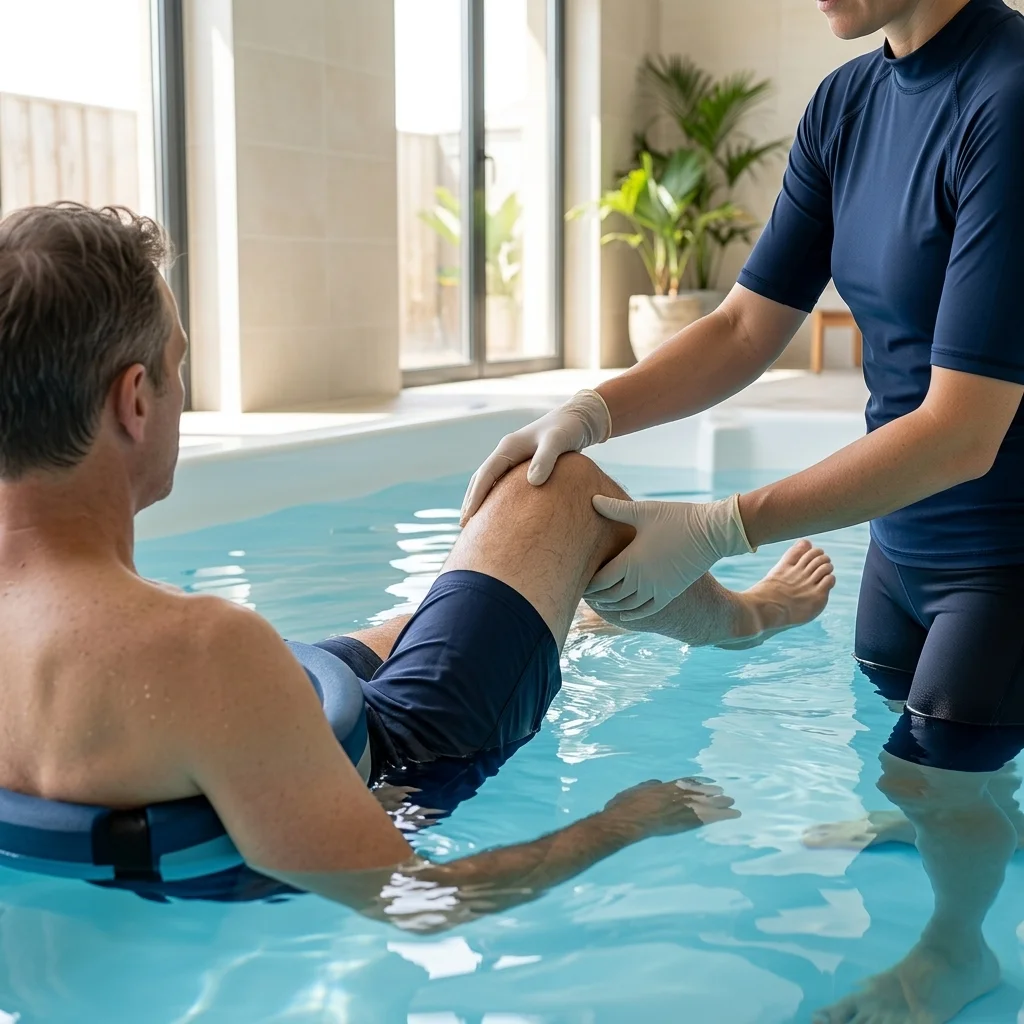
Hydrotherapy is suitable for a wide range of people, but certain patient groups benefit more than others due to their specific conditions and circumstances.
| Patient Group | Why Hydrotherapy Suits Them |
|---|---|
| Elderly patients with arthritis or joint stiffness | Warm water reduces joint load and pain. Buoyancy allows movement that is difficult or impossible on land. |
| NDIS participants with physical disabilities | Hydrotherapy improves mobility, strength, and confidence in a supportive, low-impact environment. |
| CTP claimants after motor vehicle accidents | Water-based rehabilitation allows earlier mobilisation of injured joints and muscles with reduced pain. |
| Post-surgical patients (hip, knee, ankle, spine) | Buoyancy supports non-weight bearing recovery while maintaining muscle activation and range of motion. |
| Neurological patients (stroke, Parkinson’s, MS) | Water resistance provides graded strengthening. Warmth reduces spasticity and improves coordination. |
| Children with developmental conditions | The pool environment is engaging and motivating. Movement feels easier and less intimidating for children. |
| WorkCover patients with workplace injuries | Hydrotherapy supports return-to-work rehabilitation for musculoskeletal and chronic pain conditions. |
| DVA veterans with service-related injuries | Water-based rehabilitation is effective for the joint, spinal, and pain conditions common in veteran populations. |
At Health Next Door, hydrotherapy programs are personalised based on each person’s goals, condition, and physical capacity. Our team works across Sydney, Brisbane, and the Gold Coast to deliver coordinated care.
Hydrotherapy and NDIS Participants
Hydrotherapy is commonly included within physiotherapy support plans for NDIS participants. It falls under the Improved Health and Wellbeing or Daily Activities support categories, and it can be a highly effective part of a broader therapy plan for participants with physical disabilities.
Water-based therapy may help participants improve movement and range of motion, increase physical capacity and endurance, build confidence with exercise, reduce discomfort during physical activity, and work toward independence goals.
At Health Next Door, mobile physiotherapy services help NDIS participants access hydrotherapy as part of a comprehensive therapy plan. Our physiotherapists can accompany participants to local hydrotherapy pools, conduct the session, and provide complementary home-based exercises between pool visits. This combined approach maximises the benefits of water-based therapy while maintaining progress at home.
Learn more about NDIS physiotherapy services.
What Happens During a Hydrotherapy Session?
Every hydrotherapy session is tailored to the individual. There is no standard routine that everyone follows. Your physiotherapist will design your session based on your specific condition, your current physical capacity, and the goals you are working toward.
A typical session begins with an assessment of how you are feeling that day, including any changes in pain, stiffness, or mobility since the last session. The physiotherapist will then guide you through a series of exercises in the pool, which may include walking in the water at different depths, balance and stability exercises, gentle stretching for tight muscles and stiff joints, progressive strengthening using water resistance, coordination and movement pattern drills, and functional exercises that replicate daily tasks.
Sessions usually last between 30 and 60 minutes depending on the patient’s tolerance and goals. The physiotherapist is in the water with you or poolside guiding and monitoring throughout.
The exercises are designed to progress gradually. As your strength and confidence improve over weeks of consistent sessions, the physiotherapist will increase the difficulty to keep challenging your body and driving improvement.
Is Hydrotherapy Safe?
For most people, hydrotherapy is considered very safe when supervised by a qualified physiotherapist. The warm water and buoyancy create a low-risk environment for exercise, and the presence of a trained physiotherapist ensures that exercises are appropriate for your condition.
Hydrotherapy may be particularly beneficial for people who struggle with balance and are at risk of falling, experience significant pain during land-based exercise, are non-weight bearing after surgery, fear falling during rehabilitation, and need a low-impact approach to rebuilding strength.
However, hydrotherapy is not suitable for everyone. People with open wounds, active infections, uncontrolled heart conditions, severe incontinence, or certain skin conditions may need to avoid pool-based therapy. A physiotherapist can assess your individual situation and determine whether hydrotherapy is appropriate for you.
Benefits of Hydrotherapy Beyond Physical Recovery
Hydrotherapy often provides benefits that extend well beyond the physical improvements in strength, mobility, and pain. Many patients report significant emotional and psychological benefits from regular sessions.
These include increased confidence in their ability to move and exercise, reduced fear of movement and falling, improved mood and motivation, a sense of achievement after completing exercises that felt impossible on land, greater social connection when attending group hydrotherapy sessions, and a renewed sense of independence.
For elderly patients in particular, the emotional benefits of hydrotherapy can be just as important as the physical ones. Feeling capable, confident, and independent has a profound effect on overall quality of life and mental wellbeing.
Hydrotherapy for Children
Children with developmental, neurological, or musculoskeletal conditions can benefit significantly from hydrotherapy. The water environment is naturally engaging and motivating for children, and the buoyancy makes movement feel easier and more achievable.
Water-based therapy can support children with improvements in coordination and motor control, muscle strength and endurance, sensory regulation, balance and postural control, confidence with physical activity, and social interaction in group sessions.
Health Next Door’s mobile paediatric physiotherapy service works with children across Sydney, Brisbane, and the Gold Coast. For children who benefit from hydrotherapy, our physiotherapists can incorporate pool-based sessions into a home visit therapy plan, making the process easier and more convenient for families.
Mobile Physiotherapy and Hydrotherapy Support
Many people combine hydrotherapy with home-based physiotherapy programs, and this combination often delivers the best results. The pool sessions address pain relief, mobility, and confidence building, while the home-based sessions focus on strengthening, functional exercises, and applying the gains from the pool to real-world daily activities.
At Health Next Door, our mobile physiotherapists provide home-based treatment that reinforces hydrotherapy progress, ensuring patients continue improving between pool visits. This combined approach is especially useful for seniors who need supervised home exercises between pool sessions, post-surgical patients requiring both manual therapy and water-based rehabilitation, NDIS participants who benefit from a structured dual approach, people with limited transport access to hydrotherapy facilities, and CTP or WorkCover patients who need documented progress across both treatment settings.
Health Next Door provides mobile physiotherapy across Sydney, Brisbane, and the Gold Coast. Our physiotherapists can coordinate hydrotherapy as part of your broader treatment plan, whether you are funded through NDIS, CTP, WorkCover, DVA, or private health insurance.
Funding Options for Hydrotherapy
One of the most common questions patients and families ask is whether hydrotherapy is covered under their existing funding or insurance. The answer is yes in most cases, depending on the funding pathway.
NDIS: Hydrotherapy is commonly included within NDIS physiotherapy support plans. It falls under the Improved Health and Wellbeing or Daily Activities support categories. At Health Next Door, our mobile physiotherapists can coordinate hydrotherapy sessions as part of a broader NDIS physiotherapy program, combining pool-based and home-based treatment in a single plan.
CTP (Compulsory Third Party) Insurance: If you are recovering from a motor vehicle accident and your treatment plan includes hydrotherapy, CTP insurance typically covers the cost. This is especially relevant for patients with lower limb, spinal, or neurological injuries following road accidents. Learn more about CTP physiotherapy services.
WorkCover: Workplace injuries that benefit from water-based rehabilitation are covered under WorkCover. Your employer’s insurer typically approves hydrotherapy as part of a structured return-to-work plan when recommended by a treating physiotherapist. The WorkCover physiotherapy service can include hydrotherapy sessions alongside home-based treatment.
DVA: Veterans with eligible conditions can access hydrotherapy through DVA-funded physiotherapy. The DVA physiotherapy service covers both pool-based and home-based treatment for eligible veterans across all three service locations.
Medicare Chronic Disease Management: Under a GP-managed Chronic Disease Management plan, patients with chronic conditions such as arthritis, chronic pain, or neurological conditions may be eligible for a set number of rebated physiotherapy sessions that can include hydrotherapy.
Private Health Insurance: Most extras policies cover physiotherapy, which can include hydrotherapy sessions delivered by a registered physiotherapist. Confirm with your insurer whether hydrotherapy sessions attract the same rebate as standard physiotherapy consultations.
Why Consistency Matters in Hydrotherapy
Like most forms of rehabilitation, the results from hydrotherapy improve significantly with consistency. A single session will provide temporary pain relief and improved mobility, but lasting gains in strength, balance, and function require regular sessions over weeks and months.
Regular hydrotherapy sessions help maintain and build on mobility improvements, progressively strengthen weakened muscles, reduce the frequency and severity of pain flare-ups, support long-term independence and physical confidence, and prevent the gradual decline that occurs when movement is avoided.
Short-term improvements are common and encouraging. But ongoing, consistent movement is often the key to lasting progress and preventing regression. Your physiotherapist will work with you to establish a realistic session frequency based on your condition, goals, and funding arrangement.
How Hydrotherapy Supports Healthy Ageing
As people age, maintaining mobility becomes increasingly important. Reduced physical activity affects independence, balance, strength, confidence, and social participation. Over time, a sedentary lifestyle accelerates the decline in all of these areas.
Hydrotherapy helps older adults stay physically active in an environment that feels safe and comfortable. The warm water addresses joint stiffness and pain, the buoyancy supports the body during exercise, and the resistance builds strength without the joint loading that makes land-based exercise difficult for many seniors.
For families supporting ageing parents or grandparents, hydrotherapy combined with mobile physiotherapy at home can make a meaningful difference in maintaining quality of life and delaying the need for higher-level care.
Choosing the Right Hydrotherapy Provider
Not all physiotherapy programs are the same, and not all providers have the experience, qualifications, or approach needed to deliver effective hydrotherapy.
When choosing hydrotherapy support, look for personalised treatment plans designed around your specific condition and goals, qualified physiotherapists with experience in your condition, a goal-focused rehabilitation approach with measurable milestones, flexible support options including the ability to combine hydrotherapy with home-based treatment, and experience working with NDIS, CTP, WorkCover, and DVA funding pathways.
At Health Next Door, physiotherapy services are designed around individual needs, mobility levels, and recovery goals. Our team works across Sydney, Brisbane, and the Gold Coast to provide coordinated, consistent care.
“Hydrotherapy allows many clients to move more freely and confidently than they can on land. That confidence often becomes the foundation for better recovery and long-term mobility.” – Mobile physiotherapist, Health Next Door


Health Next Door, we bring mobile physiotherapy to your doorstep, ensuring a patient-centric approach that prioritizes your needs and goals. Our experienced physiotherapists assess your condition and create a personalized therapy plan, helping you recover in the comfort of your home with expert care tailored just for you. With our comprehensive mobile physiotherapy services, you get professional treatment for pain relief, injury recovery, and mobility improvement—all without leaving your home. Experience convenient, high-quality care designed to fit your lifestyle.
View All Articles