Lymphoedema Physiotherapy: How In-Home Treatment Can Help You Manage Swelling and Reclaim Your Quality of Life

Quick Overview:
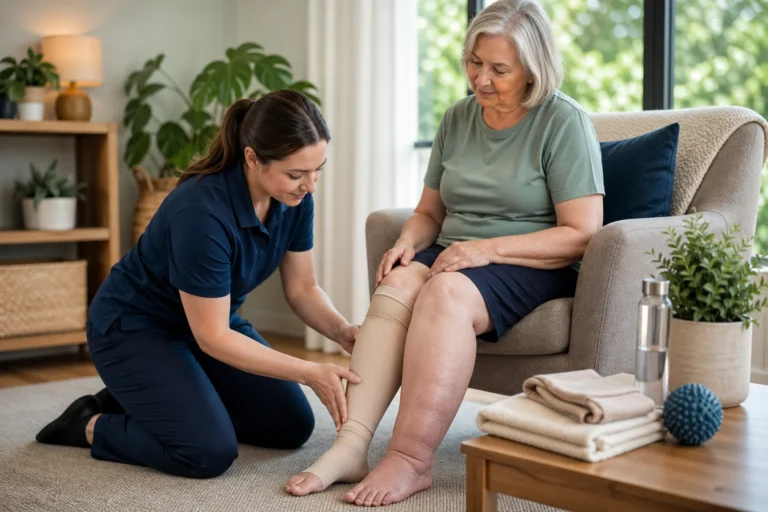
Lymphoedema physiotherapy is a specialised form of treatment that helps reduce swelling, improve mobility, and manage the long-term effects of lymphoedema. It involves hands-on techniques like manual lymphatic drainage, compression therapy, and therapeutic exercise. For seniors, NDIS participants, and people recovering from cancer treatment or surgery, getting this care at home removes the stress of travelling to a clinic. A qualified mobile physiotherapist visits you in your own environment, tailoring every session to your condition and daily life. This article covers what lymphoedema physiotherapy involves, who it helps, what funding options are available, and how to get started with in-home care.
Lymphoedema is more common than most people realise. It affects hundreds of thousands of Australians, yet many live with it for years without the right support. If you or someone you care for is dealing with persistent swelling, heaviness, or tightness in a limb, lymphoedema physiotherapy could be the missing piece of the puzzle.
The good news is that you do not have to travel to a clinic to access quality care. Mobile physiotherapy brings expert treatment directly to your home, making it far more accessible for those with limited mobility, chronic fatigue, or complex health conditions.
What Is Lymphoedema and Why Does It Happen?
Lymphoedema is a condition where the lymphatic system is unable to drain fluid properly, causing it to build up in the tissues. This leads to swelling, most commonly in the arms or legs, though it can affect other parts of the body too.
It can be:
- Primary lymphoedema, which occurs due to a problem with the lymphatic system present from birth or developing later in life
- Secondary lymphoedema, which develops after damage to the lymphatic system, often from cancer treatment, surgery, infection, or injury
Common causes in Australia include:
Table of Contents
Toggle- Breast cancer treatment involving lymph node removal or radiation
- Gynaecological or prostate cancer treatment
- Melanoma surgery
- Serious infections or trauma
- Chronic venous insufficiency
- Obesity combined with other health conditions
Without proper management, lymphoedema tends to worsen over time. That is why early, consistent physiotherapy is so important.
How Does Physiotherapy Help with Lymphoedema?
Physiotherapy does not cure lymphoedema, but it plays a central role in controlling symptoms and improving quality of life. A trained physiotherapist helps you understand your condition and builds a personalised management plan you can maintain long-term.
Key physiotherapy interventions include:
- Manual Lymphatic Drainage (MLD): A gentle, rhythmic massage technique that stimulates the lymphatic system and encourages fluid to move away from congested areas
- Compression therapy guidance: Fitting and educating patients on compression garments or bandaging techniques to reduce swelling between sessions
- Therapeutic exercise: Specific movements that activate the lymphatic system and improve circulation without overloading affected limbs
- Skin care education: Reducing infection risk, which is particularly important as lymphoedema increases susceptibility to cellulitis
- Breathing techniques: Diaphragmatic breathing supports lymphatic flow and is easy to practise at home
- Postural advice: Helping patients position their limbs correctly throughout the day to reduce fluid build-up
“Many of my patients tell me they had no idea physiotherapy could make such a difference to their lymphoedema. Once they understand how to work with their body rather than against it, the change in their daily comfort is remarkable.” — Senior Physiotherapist, Mobile Aged Care and NDIS Services
Why In-Home Lymphoedema Physiotherapy Makes Sense
For many people living with lymphoedema, getting to a clinic is not straightforward. Swollen limbs can make driving difficult. Fatigue is a constant companion for those recovering from cancer treatment. Elderly patients may have limited transport options.
Travelling to appointments can actually worsen symptoms in some cases, particularly when it involves prolonged sitting or standing.
In-home physiotherapy solves all of this. Here is why it works so well for lymphoedema specifically:
- Treatment happens in your real environment, so advice is practical and immediately applicable
- The physiotherapist can assess your furniture, your daily routines, and your home layout to give relevant postural and positioning advice
- No waiting rooms, no travel fatigue, no disruption to your day
- Sessions feel less clinical and more comfortable, which helps patients relax, and relaxation actually supports lymphatic drainage
- Family members or carers can be present and included in education, which improves at-home management between visits
If you want to understand more about how in-home physiotherapy works generally, the at-home physiotherapy services at Health Next Door cover the full picture.
What to Expect from a Mobile Lymphoedema Physio Session
If you have never had a home visit from a physiotherapist before, knowing what to expect helps you prepare.
First session (Initial Assessment):
- A thorough discussion of your medical history, cancer treatment history if relevant, and current symptoms
- Measurements of the affected limb to track changes over time
- Assessment of skin condition and infection risk
- Review of any compression garments you already use
- Introduction to manual lymphatic drainage techniques
- Setting of short and long-term goals together
Ongoing sessions typically include:
- Hands-on MLD treatment
- Review of your home exercise programme
- Compression garment checks and adjustments
- Monitoring of limb measurements and skin health
- Progressive updates to your plan as your condition evolves
Sessions are collaborative. You are not a passive recipient; you are an active participant in managing your condition. The physiotherapist teaches you and your carer techniques you can use every day.
The 4 Pillars of Lymphoedema Management at Home
A consistent approach to these four areas gives you the best chance of managing swelling and maintaining your quality of life.
- Gentle, rhythmic massage to move excess fluid
- Performed by a trained physiotherapist at home
- Reduces heaviness and swelling in affected limbs
- Garments or bandaging worn between sessions
- Physiotherapist guides correct fitting and use
- Prevents fluid from re-accumulating in the limb
- Specific movements that activate the lymphatic system
- Includes diaphragmatic breathing techniques
- Tailored home exercise programme for daily use
- Daily moisturising to maintain skin integrity
- Monitor for redness, warmth, or increased swelling
- Reduces risk of cellulitis and serious infection
Mobile lymphoedema physiotherapy available across Sydney, Brisbane, and the Gold Coast.
Explore Our ServicesWho Benefits Most from Lymphoedema Physiotherapy at Home?
| Patient Group | Why In-Home Care Suits Them |
|---|---|
| Post-cancer patients | Fatigue and immune vulnerability make clinic travel risky and exhausting |
| Elderly patients | Limited transport, fall risk, and multiple comorbidities make home visits safer |
| NDIS participants | Funded support delivered in the home aligns with NDIS goals around independence |
| Post-surgical patients | Mobility restrictions make travel difficult in the early recovery phase |
| Patients with chronic conditions | Ongoing management is easier to sustain when care comes to you |
| Carers and family members | Home visits allow carers to be educated alongside the patient |
If the person you care for falls into any of these categories, exploring NDIS physiotherapy through Health Next Door is a practical next step.
Is Lymphoedema Physiotherapy Covered by Funding?
This is one of the most common questions, and the answer is encouraging for many patients.
NDIS: Lymphoedema physiotherapy can be funded under the NDIS where it relates to a participant’s disability or chronic health condition. It typically falls under the Improved Health and Wellbeing or Daily Activities support categories. A mobile physiotherapist can work with your support coordinator to ensure sessions align with your NDIS plan goals.
For more detail on how NDIS physiotherapy funding works, the NDIS physiotherapy information from Health Next Door explains the process clearly.
Home Care Packages and Support at Home: Under the Australian Government’s Support at Home programme, eligible older Australians can access physiotherapy as part of their funded care plan. A mobile physiotherapist can coordinate directly with your case manager.
DVA: Veterans with lymphoedema related to a service-connected condition may be eligible for physiotherapy through DVA funding.
Private Health Insurance: Many extras policies cover physiotherapy sessions. Check with your insurer about rebates for home visit services.
Medicare: Under a GP-managed Chronic Disease Management plan, you may be eligible for a set number of physiotherapy sessions with a Medicare rebate.
Techniques Your Physiotherapist May Use
Not every technique suits every patient. Your physiotherapist will assess your condition and select approaches that are safe and appropriate for your situation.
Manual Lymphatic Drainage (MLD): This is the cornerstone of lymphoedema physiotherapy. It is a gentle, non-invasive massage technique that uses light pressure and rhythmic movements to redirect lymph fluid away from congested areas. It should feel relaxing rather than painful.
Complete Decongestive Therapy (CDT): CDT combines MLD with compression bandaging, skin care, and exercise into a structured programme. It is widely regarded as the gold standard approach for moderate to severe lymphoedema.
Kinesiology Taping: Specialised tape applied to the skin can gently lift it, creating space for lymph fluid to move more freely. It is particularly useful between sessions.
Hydrotherapy: Gentle water-based exercise can support lymphatic circulation for appropriate patients. Health Next Door also offers hydrotherapy services that may complement lymphoedema management.
Progressive Resistance Exercise: Despite common misconceptions, carefully graded resistance exercise is now well-supported by research as safe and beneficial for lymphoedema patients, including those who have had breast cancer treatment.
Managing Lymphoedema Between Physiotherapy Sessions
Physiotherapy sessions are only part of the picture. What you do between visits has a significant impact on your outcomes.
Your physiotherapist will guide you through a home management routine. Common elements include:
- Wearing your compression garment as directed throughout the day
- Performing your home exercise programme daily, even if it is brief
- Practising diaphragmatic breathing for a few minutes each morning
- Keeping your skin moisturised and checking regularly for any signs of infection (redness, warmth, increased swelling)
- Elevating the affected limb when resting to encourage drainage
- Avoiding extreme heat, including hot baths and prolonged sun exposure, as heat increases fluid production
- Staying hydrated and maintaining a healthy weight where possible
Small, consistent habits make a meaningful difference over time. Your physiotherapist will review your home routine at each visit and help you troubleshoot anything that is not working.
For patients also managing neurological conditions alongside lymphoedema, the neurological and aged care physiotherapy services at Health Next Door may also be relevant to your overall care plan.

You Can Find All Answers Here
Lymphoedema is a chronic condition, which means it requires ongoing management rather than a one-time cure. However, with consistent physiotherapy and good home management, most patients experience significant and sustained reduction in swelling. Many people achieve excellent control of their symptoms and maintain a good quality of life long-term.
Yes, MLD performed by a trained physiotherapist is safe for most people following cancer treatment. Your physiotherapist will review your medical history and treatment details before beginning. If you have active cancer, recent surgery, or certain cardiovascular conditions, they will adapt the approach accordingly.
This varies depending on the severity of your condition. In the initial phase, more frequent visits help establish your management routine. Over time, many patients transition to less frequent maintenance visits as they become more confident managing at home. Your physiotherapist will discuss a schedule that suits your needs and funding situation.
Absolutely. In fact, having a carer present during home visits is one of the biggest advantages of mobile physiotherapy. Family members can learn simple drainage techniques, compression application, and how to monitor for signs of infection. This shared knowledge makes day-to-day management much more effective.
Yes. Health Next Door provides mobile physiotherapy services across Sydney, Brisbane, and the Gold Coast, bringing qualified physiotherapists directly to your home. You can explore the full range of mobile physiotherapy services to find the right support for your situation.
Get Physio Care at Home – No Waiting, Just Relief!
We bring expert physiotherapy directly to your door, with no hassle or long wait times. Our skilled, NDIS-approved physiotherapists are here to help you feel better, faster.

Health Next Door, we bring mobile physiotherapy to your doorstep, ensuring a patient-centric approach that prioritizes your needs and goals. Our experienced physiotherapists assess your condition and create a personalized therapy plan, helping you recover in the comfort of your home with expert care tailored just for you. With our comprehensive mobile physiotherapy services, you get professional treatment for pain relief, injury recovery, and mobility improvement—all without leaving your home. Experience convenient, high-quality care designed to fit your lifestyle.
View All Articles