Physio for Multiple Sclerosis: How Mobile Physiotherapy Helps


What Is Multiple Sclerosis and How Does It Affect Movement?
Multiple sclerosis (MS) is a condition that affects the central nervous system, the brain and spinal cord. The immune system mistakenly attacks the myelin sheath, which is the protective covering around nerve fibres.
When myelin is damaged, signals between the brain and the body slow down or become disrupted.
Common physical symptoms include:
- Muscle weakness, particularly in the legs
- Spasticity, which is stiffness or involuntary muscle spasms
- Balance and coordination problems
- Fatigue that goes beyond ordinary tiredness
- Difficulty walking or changes in gait
- Tremors or fine motor difficulties
- Bladder and bowel dysfunction linked to pelvic floor weakness
- Pain and sensory changes
Because MS affects everyone differently and can change from day to day, physiotherapy needs to be flexible, personalised, and delivered in a way that respects the person’s current capacity.
For general information about living with MS in Australia, Multiple Sclerosis Australia is a trusted national resource for support, research updates, and community connections.
How Does Physiotherapy Help People With MS?
Physiotherapy cannot cure MS, but it plays a critical role in maintaining function, managing symptoms, and slowing physical decline.
Here is what regular physio for multiple sclerosis can achieve:
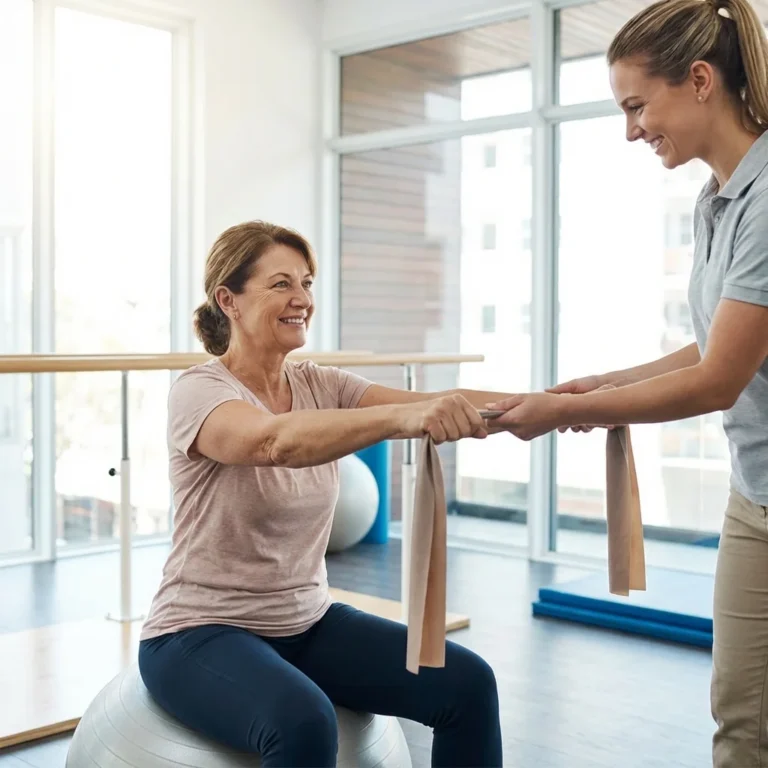
- Improved muscle strength: Targeted resistance exercises counteract weakness caused by nerve disruption
- Better balance and coordination: Specific balance training reduces fall risk, which is a significant concern for people with MS
- Reduced spasticity: Stretching programs, positioning techniques, and manual therapy help manage muscle stiffness
- Fatigue management: A physiotherapist teaches energy conservation strategies so you can do more without crashing
- Improved walking: Gait retraining and mobility aids assessment help maintain safe, independent movement
- Maintained independence: Keeping muscles active slows the functional decline that can come with inactivity
Research consistently shows that regular, structured exercise delivered by a physiotherapist produces meaningful improvements in MS-related fatigue, strength, balance, and quality of life.
For more on how neurological conditions are supported through mobile physiotherapy, visit the neurological physiotherapy service page.
Why Mobile Physiotherapy Is Ideal for MS
Getting to a clinic is one of the most common barriers people with MS face. Heat sensitivity, fatigue, unpredictable symptom flares, and mobility challenges can make a simple trip feel exhausting before the session even starts.
Mobile physiotherapy solves this completely.
Benefits of in-home physio for MS:
- No travel required: Your physiotherapist comes to your home, removing the energy cost of getting to and from a clinic
- Heat-sensitive patients are protected: Travelling on hot days can temporarily worsen MS symptoms; staying home avoids this
- Real-world environment: Your physio sees your actual living space and can make recommendations for falls prevention, furniture layout, and mobility aids that are specific to where you live
- Consistent scheduling: Regular sessions at home are easier to maintain, which is key for long-term MS management
- Family and carer involvement: Sessions at home allow family members or support workers to observe and assist with exercise programs between visits
| In-Clinic Physio | Mobile Physio at Home |
|---|---|
| Requires travel | Physio comes to you |
| Energy spent before session starts | Full energy available for treatment |
| Generalised environment | Assessment in your actual home |
| Fixed clinic hours | Flexible scheduling |
| May not suit bad symptom days | Can adapt to how you feel that day |
| Family rarely present | Family and carers can be involved |
Learn more about what mobile physiotherapy involves and how it works before your first session.
What Happens in a Physio Session for Multiple Sclerosis?
Every person with MS has a different presentation. A good physiotherapist does not use a one-size-fits-all approach.
Here is what a typical in-home MS physiotherapy journey looks like:
Initial Assessment
Your physiotherapist conducts a thorough assessment covering:
- Current symptoms and how they affect daily life
- Muscle strength and tone
- Balance, coordination, and gait
- Fatigue levels and patterns
- Falls history and home environment
- Your personal goals, whether that is walking to the letterbox, staying independent at home, or returning to a hobby
Personalised Treatment Plan
Based on the assessment, your physio develops a program specifically for you. This may include:
- Strength and resistance exercises tailored to your energy levels
- Stretching and spasticity management techniques
- Balance and coordination exercises
- Gait training with or without mobility aids
- Fatigue management education
- Home exercise program to complete between visits
Ongoing Sessions and Progress Tracking
Your program adapts as your condition changes. On high-fatigue or flare days, sessions are adjusted accordingly. Progress is tracked regularly so you and your physio can see meaningful improvements over time.

Is Physiotherapy for MS Covered by NDIS?
Yes. Many people living with MS qualify for NDIS funding, and physiotherapy is a funded support under the Improved Daily Living and Improved Health and Wellbeing categories.
If you have an NDIS plan, you may be able to access regular in-home physiotherapy sessions at no out-of-pocket expense, depending on your plan management type.
Health Next Door is an NDIS-registered provider delivering mobile physiotherapy to NDIS participants across Sydney, Brisbane, and the Gold Coast.
Our team works with participants, support coordinators, and plan managers to make sure sessions are booked efficiently and claims are processed smoothly.
Explore the NDIS physiotherapy service to understand how funding works and what is included, or contact the team directly via the NDIS contact page.
Support coordinators looking for a reliable mobile physio partner can also learn more about how to maximise client outcomes with mobile NDIS physiotherapy.
MS and Falls: Why Physiotherapy Is Critical for Safety at Home
Falls are one of the most serious concerns for people living with MS. Balance problems, leg weakness, and fatigue all contribute to an increased fall risk, and falls at home can lead to serious injury and loss of independence.
A mobile physiotherapist assesses your home environment as part of your treatment. This includes:
- Identifying trip hazards and recommending modifications
- Assessing footwear and mobility aid suitability
- Designing specific balance and strengthening programs to reduce fall risk
- Teaching safe movement strategies for getting up from chairs, navigating stairs, and moving around at home
For practical strategies to reduce fall risk, the falls prevention guide for elderly and neurological patients provides a useful overview.
“Having my physio come to me has been life-changing. On the days when my MS makes everything harder, I don’t have to worry about getting in a car or sitting in a waiting room. The sessions happen in my living room, and my physiotherapist adjusts the exercises based on how I’m feeling that day. I’ve noticed real improvements in my balance and confidence at home.” — MS patient, Sydney
Fatigue Management: A Key Part of MS Physiotherapy
MS fatigue is not the same as ordinary tiredness. It is a profound, neurological exhaustion that can appear without warning and significantly affect daily function.
Physiotherapists who work with MS patients are trained to:
- Assess fatigue patterns and identify triggers
- Teach pacing strategies so you spread energy expenditure throughout the day
- Design exercise programs that build strength and endurance without causing post-exertional fatigue
- Educate on activity modification for daily tasks
Getting this balance right is critical. Too little activity leads to deconditioning. Too much activity without proper pacing worsens fatigue. An experienced MS physio finds that balance for you.
Who Can Benefit From In-Home Physio for MS?
Mobile physiotherapy for MS is suitable for people at all stages of the condition, including:
- Newly diagnosed patients who want to build a strong physical foundation early
- People with relapsing-remitting MS who need flexible support that adapts to flares and remissions
- People with progressive MS who need ongoing management to slow functional decline
- NDIS participants accessing funded therapy sessions
- Older adults with MS who also have age-related physical changes to manage
- People who have experienced falls and need targeted rehabilitation and prevention work
Whether you are in Sydney, Brisbane, or the Gold Coast, experienced in-home physiotherapy specialists are available to support you. View the full service area to find out if your suburb is covered.
How to Get Started With MS Physiotherapy at Home
Getting started is straightforward. Here is what the process looks like:
- Contact Health Next Door via the website or phone
- Brief intake conversation to understand your MS history, current symptoms, and goals
- First home visit scheduled at a time that suits you
- Initial assessment completed in your home
- Treatment plan developed and sessions begin
If you are an NDIS participant, the team can assist with verifying your plan details and setting up claims before sessions begin.
Ready to get started? Book a free consultation with the team at Health Next Door today.
For further reading on neurological conditions managed through mobile physiotherapy, the Parkinson’s exercise program page covers a related condition with similar mobility and neurological management principles.


Health Next Door, we bring mobile physiotherapy to your doorstep, ensuring a patient-centric approach that prioritizes your needs and goals. Our experienced physiotherapists assess your condition and create a personalized therapy plan, helping you recover in the comfort of your home with expert care tailored just for you. With our comprehensive mobile physiotherapy services, you get professional treatment for pain relief, injury recovery, and mobility improvement—all without leaving your home. Experience convenient, high-quality care designed to fit your lifestyle.
View All Articles