Physiotherapy for Ankle Pain: How In-Home Treatment Helps You Recover Faster

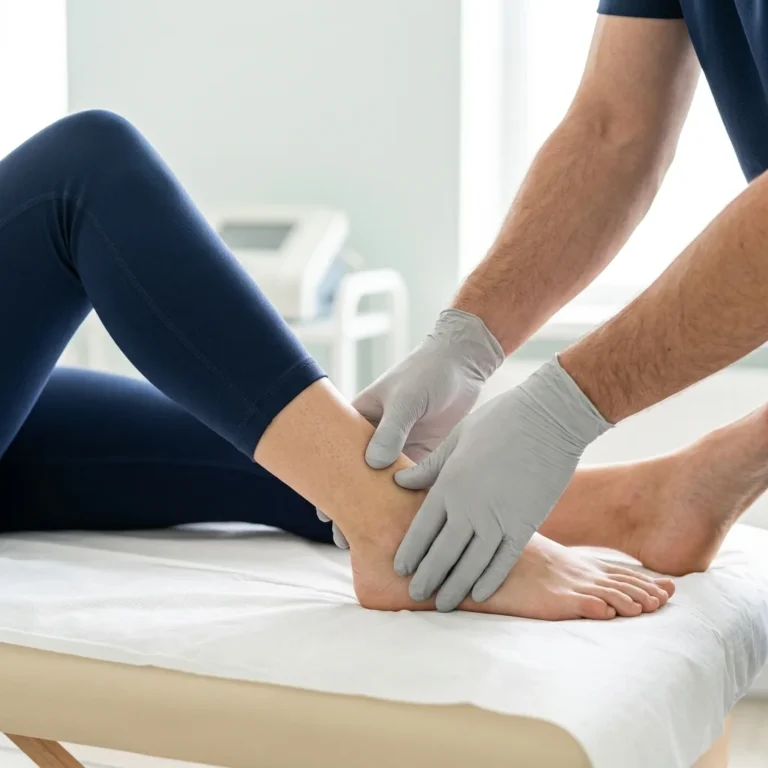

Ankle pain is one of the most common reasons Australians seek physiotherapy. Whether it follows a fall, a motor vehicle accident, a workplace injury, or post-surgical recovery, the ankle is a complex joint that requires specific, targeted treatment to heal well.
Physiotherapy for ankle pain is not just about icing and resting. Done properly, it addresses the underlying cause of pain, restores full range of motion, rebuilds strength and stability, and reduces the risk of re-injury.
For patients who face real barriers to getting to a clinic, in-home physiotherapy makes the difference between consistent treatment and missed appointments that slow recovery significantly.
What Causes Ankle Pain?
Ankle pain has many causes, and identifying the right one determines the most effective treatment approach.
Most common causes include:
- Ankle sprains: Ligament stretching or tearing from a roll or twist, the most common ankle injury across all age groups
- Ankle fractures: Broken bones in or around the ankle, often requiring surgery and extensive post-surgical rehabilitation
- Achilles tendinopathy: Degeneration of the Achilles tendon, common in active adults and older patients
- Posterior tibial tendon dysfunction: A progressive condition common in elderly patients that causes flat foot and medial ankle pain
- Osteoarthritis of the ankle: Cartilage breakdown causing stiffness, swelling, and chronic pain, particularly common in older adults
- Motor vehicle accident injuries: Ankle fractures and ligament damage are extremely common in CTP claims following road accidents
- Workplace injuries: Falls, crush injuries, and overuse injuries to the ankle are among the most frequent WorkCover claims
The type of treatment your physiotherapist recommends depends entirely on the cause, the severity, and how long the problem has been present.
How Physiotherapy Treats Ankle Pain
A qualified physiotherapist uses a combination of hands-on techniques and exercise prescription to restore the ankle to full function.
What a thorough ankle physiotherapy assessment involves:
- Taking a full history of how the pain started and what makes it better or worse
- Assessing range of motion, strength, and joint stability
- Checking for swelling, bruising, or signs of structural damage
- Reviewing any imaging such as X-rays or MRI results
- Setting short and long-term recovery goals together
Treatment techniques typically include:
- Joint mobilisation: Gentle hands-on techniques to restore movement in a stiff or swollen joint
- Soft tissue therapy: Massage and myofascial release to reduce muscle tension around the ankle
- Therapeutic exercise: Specific exercises to rebuild strength, balance, and proprioception
- Taping and bracing: Supportive taping during the recovery phase to allow safe loading
- Gait retraining: Correcting walking patterns that have developed due to pain or avoidance
- Hydrotherapy: For appropriate patients, gentle water-based exercise reduces load while maintaining movement
“Ankle injuries that are not rehabilitated properly almost always come back. The key is not just treating the pain but restoring the strength and stability that protect the joint. For patients who are doing this at home, we can actually assess how they walk in their own environment, which tells us a great deal about what the ankle is dealing with day to day.” — Mobile physiotherapist, Sydney
Who Benefits Most from In-Home Physiotherapy for Ankle Pain?
Not everyone with ankle pain needs to be seen at home. But for certain patient groups, in-home physiotherapy is not just convenient; it genuinely delivers better outcomes.
| Patient Group | Why In-Home Care Suits Them |
|---|---|
| Elderly patients post ankle fracture | Non-weight bearing and cannot safely travel; home assessment reveals real-world fall risks |
| CTP claimants after motor vehicle accidents | Often cannot drive; injury severity makes transport painful and difficult |
| WorkCover patients with serious ankle injuries | Work-related ankle fractures or ligament damage benefit from treatment in the home environment |
| NDIS participants with mobility limitations | Ankle problems are often secondary to primary disability; home visits maintain consistency |
| Post-surgical recovery patients | Surgical wounds, non-weight bearing restrictions, and pain make clinic visits impractical |
| Aged care residents and home care recipients | Cannot be independently transported; in-home treatment is essential for consistency |
For elderly patients in particular, the value of seeing the physiotherapist in their own home extends beyond the ankle itself. The physiotherapist can assess the home for fall hazards, recommend modifications, and ensure the exercises prescribed are genuinely achievable in the patient’s actual living space.

Ankle Rehabilitation: What the Recovery Process Looks Like
Recovery from ankle pain through physiotherapy follows a predictable progression, though the timeline varies significantly depending on the cause and severity.
Phase 1: Reducing Pain and Swelling (Days 1 to 7 for acute injuries)
- Rest, elevation, and gentle compression
- Hands-on treatment to reduce swelling and restore initial movement
- Education about weight bearing and activity modification
Phase 2: Restoring Range of Motion (Week 1 to 4)
- Progressive joint mobilisation and stretching
- Gentle strengthening exercises within pain-free range
- Hydrotherapy where appropriate to maintain movement with reduced load
Phase 3: Rebuilding Strength and Stability (Week 2 to 8)
- Progressive resistance exercises for the calf, peroneal muscles, and tibialis anterior
- Balance and proprioception training to retrain the ankle’s stability
- Return to normal walking patterns with gait retraining as needed
Phase 4: Return to Full Function (Week 4 onwards)
- Activity-specific rehabilitation matched to the patient’s daily life demands
- For elderly patients: confident walking on uneven surfaces and stairs
- For CTP and WorkCover patients: documented functional progress for claims management
A mobile physiotherapy service can deliver every phase of this rehabilitation directly in your home, ensuring consistent treatment without the disruption of clinic travel.
For patients managing ankle pain alongside other conditions, at-home physiotherapy services cover a wide range of conditions treated together in a single home visit.
Funding Options for Ankle Physiotherapy
One of the most common questions patients ask is whether their physiotherapy can be funded through an existing claim or plan.
CTP (Compulsory Third Party) Insurance: If your ankle pain resulted from a motor vehicle accident, CTP insurance covers physiotherapy as part of your injury management. Health Next Door works with CTP claimants across Sydney, Brisbane, and the Gold Coast, providing home-based treatment without the need to drive to a clinic. Learn more about CTP physiotherapy services.
WorkCover: Workplace ankle injuries, including falls, crush injuries, and repetitive strain conditions, are covered under WorkCover. Your employer’s insurer typically covers physiotherapy costs as part of your return-to-work plan. The WorkCover physiotherapy service can be delivered at home for patients who cannot travel during recovery.
NDIS: NDIS participants with physical disabilities often develop secondary ankle and lower limb issues. Physiotherapy for ankle pain can be funded under the Improved Health and Wellbeing or Daily Activities support categories. NDIS physiotherapy delivered at home ensures participants receive consistent treatment aligned with their plan goals.
DVA: Veterans with ankle conditions related to service are eligible for physiotherapy through DVA funding. The DVA physiotherapy service covers in-home treatment for eligible veterans across all three service locations.
Medicare Chronic Disease Management: Under a GP-managed Chronic Disease Management plan, patients with ongoing ankle conditions such as osteoarthritis may be eligible for a set number of rebated physiotherapy sessions.
Private Health Insurance: Most extras policies cover physiotherapy. Confirm with your insurer whether home visit services attract the same rebate as clinic-based sessions.
Why In-Home Ankle Physiotherapy Delivers Better Outcomes
The evidence consistently shows that patients who receive physiotherapy consistently, without missing appointments, recover faster than those who attend irregularly.
For ankle rehabilitation in particular, the home environment offers specific advantages.
Real-world assessment: Your physiotherapist can see exactly what surfaces you walk on, where your furniture is, and what daily movements your ankle actually needs to manage. This produces far more relevant advice than a standardised clinic-based assessment.
No transport barrier: For elderly patients who cannot drive post-injury, CTP claimants whose vehicles are damaged, or WorkCover patients on restricted duties, getting to a clinic is a genuine problem. Home visits remove this barrier entirely.
Higher appointment consistency: Missed appointments are the primary cause of extended recovery timelines. When your physiotherapist comes to you, attendance is reliable, progress is consistent, and recovery is faster.
Carer and family involvement: Family members can be present during home visits, learning the exercises and supporting the patient between sessions. This dramatically improves the quality of at-home practice.
Health Next Door provides in-home physiotherapy for ankle pain and a wide range of related conditions across Sydney, Brisbane, and the Gold Coast.


Health Next Door, we bring mobile physiotherapy to your doorstep, ensuring a patient-centric approach that prioritizes your needs and goals. Our experienced physiotherapists assess your condition and create a personalized therapy plan, helping you recover in the comfort of your home with expert care tailored just for you. With our comprehensive mobile physiotherapy services, you get professional treatment for pain relief, injury recovery, and mobility improvement—all without leaving your home. Experience convenient, high-quality care designed to fit your lifestyle.
View All Articles