Vestibular Rehabilitation Physiotherapy: Your Complete Guide to Conquering Dizziness and Balance Problems at Home
Are you or a loved one struggling with dizziness, vertigo, or balance issues that make everyday activities feel risky? Vestibular rehabilitation physiotherapy offers targeted treatment for these challenging conditions, and when delivered at home by mobile physiotherapy specialists, it becomes even more effective and convenient.
This comprehensive guide explains everything you need to know about vestibular rehabilitation, from understanding what it treats to discovering why home-based sessions deliver superior results for most patients.
Table of Contents
ToggleWhat is Vestibular Rehabilitation Physiotherapy?
Vestibular rehabilitation physiotherapy is a specialized form of treatment targeting disorders of the inner ear and balance system. Your vestibular system controls balance, spatial orientation, and eye movements. When something disrupts this system, you might experience:
- Persistent dizziness or spinning sensations
- Difficulty walking straight or feeling unsteady
- Problems with vision, especially when moving your head
- Frequent falls or near-falls
- Motion sickness or nausea with head movements
Unlike general balance training, vestibular rehabilitation uses specific, evidence-based techniques to retrain your brain’s response to faulty signals from the inner ear. This neurological physiotherapy approach addresses the root cause rather than just managing symptoms.
Mobile physiotherapists deliver this specialized care in your home, eliminating the stress and fall risk of traveling to a clinic while experiencing balance problems.
Who Benefits Most from Vestibular Rehabilitation?
This treatment helps people across all age groups, though certain populations see particularly dramatic improvements:
Seniors and Aged Care Residents Balance disorders become increasingly common with age. Research shows that vestibular rehabilitation reduces fall risk by up to 40% in older adults. Mobile aged care physiotherapy brings this life-changing treatment directly to those who need it most.
“After three sessions of vestibular therapy at home, I felt confident walking to my letterbox again. The dizziness that plagued me for months finally started improving,” shares Margaret, 78, from Brisbane.
NDIS Participants If you have a vestibular disorder affecting your daily function, you may qualify for NDIS physiotherapy funding. Mobile providers work directly with your plan to maximize outcomes.
Post-Stroke Survivors Many stroke survivors develop balance issues due to vestibular involvement. Combining vestibular techniques with stroke rehabilitation exercises accelerates recovery significantly.
Car Accident Victims Whiplash and head injuries commonly damage the vestibular system. CTP physiotherapy and WorkCover physiotherapy often cover vestibular treatment for motor accident injuries.
Veterans DVA funding typically covers vestibular rehabilitation for service-related conditions. DVA physiotherapy providers coordinate seamlessly with your healthcare team.

Common Vestibular Conditions Successfully Treated
Understanding your specific condition helps you know what to expect from treatment:
Benign Paroxysmal Positional Vertigo (BPPV)
This is the most common vestibular disorder, causing brief episodes of intense spinning when you change head position. Specific movements during sleep, looking up, or bending down trigger symptoms.
Treatment success rate: 80-90% resolution within 1-3 sessions.
Vestibular Neuritis and Labyrinthitis
These viral infections of the inner ear cause sudden, severe dizziness lasting days to weeks. Early vestibular rehabilitation speeds recovery dramatically compared to waiting it out.
Persistent Postural-Perceptual Dizziness (PPPD)
This chronic condition causes constant unsteadiness and dizziness, particularly in visually complex environments like supermarkets. Graded exposure therapy combined with vestibular exercises proves highly effective.
Post-Concussion Dizziness
Many people experience lingering balance problems after head injuries. Vestibular rehabilitation addresses these symptoms when standard concussion protocols fall short.
Age-Related Balance Decline
Natural deterioration of the vestibular system contributes to falls in older adults. Regular vestibular exercises maintain function and prevent deterioration, as discussed in our guide on preventing falls in the elderly.
Why Mobile Vestibular Rehabilitation Works Better
Home-based vestibular treatment delivers superior outcomes compared to clinic visits for several compelling reasons:
Safety First
Traveling while experiencing severe dizziness or balance problems puts you at immediate fall risk. Mobile physiotherapists eliminate this danger completely.
Real-World Training
Your home environment is where you need to function confidently. Treating you at home allows therapists to address your actual daily challenges, from navigating your bathroom safely to managing stairs.
Reduced Anxiety
Many vestibular patients develop anxiety about dizziness episodes. At-home physiotherapy in familiar surroundings reduces this anxiety, which itself improves treatment outcomes.
Better Compliance
When treatment happens at home, you’re more likely to complete prescribed exercises between sessions. This consistency accelerates recovery significantly.
Caregiver Involvement
Mobile sessions allow family members or carers to observe and learn techniques for supporting your recovery daily.
Equipment Accessibility
Therapists can evaluate and utilize your actual furniture, stairs, and living spaces to design practical, personalized programs.
The Vestibular Assessment Process
Your first session focuses on comprehensive evaluation to identify exactly what’s causing your symptoms. Understanding what happens helps you prepare and know what to expect.
History Taking (15-20 minutes)
Your therapist asks detailed questions about:
- When symptoms started and what triggers them
- Previous falls or near-falls
- Medications that might affect balance
- Other health conditions
- How symptoms impact your daily activities
Physical Examination (20-30 minutes)
Expect thorough testing including:
Oculomotor Assessment Your eye movements reveal critical information about vestibular function. Simple tests track how your eyes follow moving objects and respond to head movements.
Positional Testing The Dix-Hallpike test and other maneuvers identify BPPV and determine which ear is affected. These tests intentionally provoke symptoms briefly to pinpoint the problem.
Balance Assessment Standing balance tests with eyes open, closed, and on different surfaces measure your steadiness. Your therapist ensures safety throughout.
Gait Analysis Walking assessments reveal balance deficits and fall risk factors specific to your movement patterns.
Goal Setting (10 minutes)
Together, you’ll establish clear, measurable goals like:
- Walking independently to the shops
- Gardening without dizziness
- Playing with grandchildren safely
- Returning to work or hobbies
This collaborative approach ensures treatment addresses what matters most to you, similar to the personalized planning described in our article on how mobile physios support NDIS participants.
Treatment Techniques: What Actually Happens During Sessions
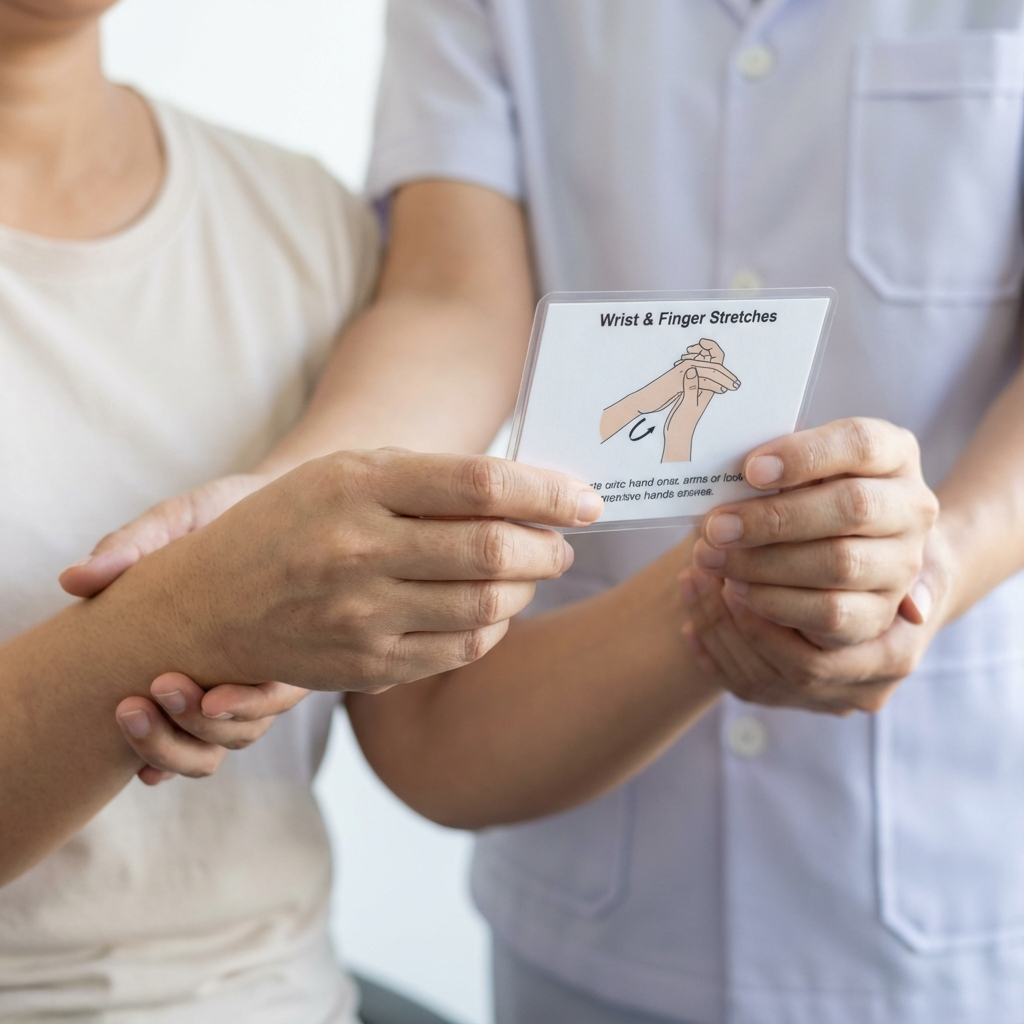
Vestibular rehabilitation employs specific, evidence-based techniques targeting different aspects of balance system function.
Canalith Repositioning Maneuvers
For BPPV, these precise head and body movements relocate displaced calcium crystals in your inner ear. The Epley maneuver and Semont maneuver provide immediate relief for most patients.
Your therapist guides you through each position, holding each for the exact time needed. While you might feel temporarily dizzy during the maneuver, improvement often occurs within minutes of completion.
Gaze Stabilization Exercises
These exercises retrain your visual system to work with your vestibular system. Common techniques include:
VOR (Vestibulo-Ocular Reflex) Exercises
- Focusing on a stationary target while moving your head
- Tracking moving objects while keeping your head still
- Coordinating head and eye movements smoothly
Initially challenging, these exercises become easier with practice as your brain compensates for vestibular deficits.
Balance and Gait Training
Progressive balance challenges gradually improve your stability:
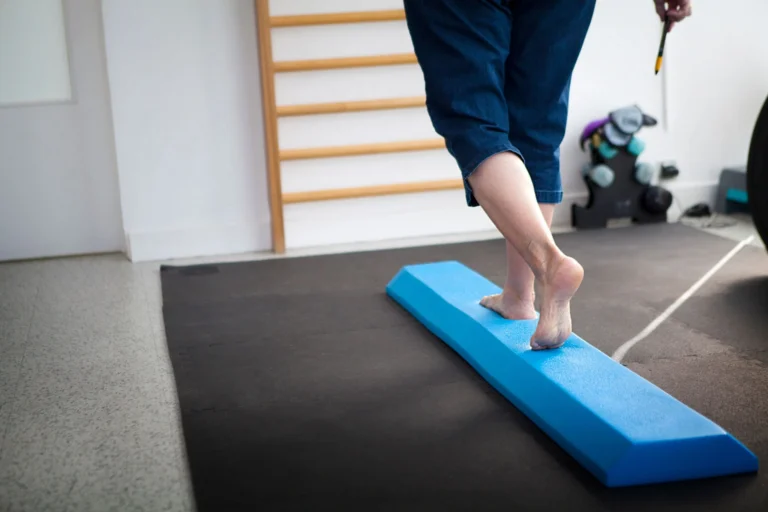
- Standing on different surfaces (foam, carpet, uneven ground)
- Walking with head turns or narrowed base of support
- Navigating obstacles typical in your home
- Practicing recovery strategies if you lose balance
Similar to approaches used in physiotherapy for elderly residents, exercises progress at your pace.
Habituation Exercises
For conditions where specific movements trigger dizziness, repeated controlled exposure reduces symptoms over time. This systematic desensitization proves especially effective for PPPD and anxiety-related dizziness.
Functional Task Training
Real-world activities become treatment exercises:
- Bending to load the dishwasher
- Reaching for items on high shelves
- Walking while carrying objects
- Navigating stairs safely
This practical focus ensures treatment translates directly to improved daily function.
Your Vestibular Rehabilitation Journey Timeline
A clear roadmap showing what to expect at each stage of your recovery
Assessment Phase
Comprehensive evaluation of your balance system, immediate symptom relief techniques taught, and your personalized treatment plan created together.
Active Treatment
1-2 weekly sessions building your confidence, progressive exercises tailored to your pace, and noticeable improvements in your daily tasks and activities.
Advanced Progress
Increased challenge levels as your balance improves, confident return to complex activities you've missed, and reduced supervision as independence grows.
Maintenance Phase
Monthly check-ins to ensure continued progress, independent exercise program you can manage confidently, and sustained improvement in all activities.
What to Expect: Your Vestibular Rehabilitation Timeline
Most people see meaningful improvement within 4-8 weeks, though timelines vary based on your specific condition and overall health.
| Treatment Phase | Timeframe | What You’ll Experience |
|---|---|---|
| Initial Assessment | Week 1 | Comprehensive evaluation, immediate techniques for symptom relief, personalized treatment plan |
| Active Treatment | Weeks 2-6 | 1-2 sessions weekly, progressive exercises, measurable improvements in specific tasks |
| Advanced Progress | Weeks 7-12 | Increased challenge level, return to complex activities, reduced supervision needed |
| Maintenance | Weeks 13+ | Monthly check-ins, independent exercise program, sustained improvement |
Early sessions focus on:
- Teaching safe strategies for managing symptoms
- Building confidence with basic movements
- Establishing your home exercise routine
Mid-treatment sessions emphasize:
- Progressing exercise difficulty
- Adding functional activities
- Problem-solving specific challenges
Later sessions prepare you for:
- Independent management
- Returning to all desired activities
- Maintaining gains long-term
Recovery isn’t always linear. Some days you’ll feel better than others, which is completely normal. Your mobile physiotherapist adjusts your program based on your responses, ensuring steady overall progress.
Funding Your Vestibular Rehabilitation
Several funding options make vestibular rehabilitation accessible regardless of your financial situation.
NDIS Coverage
If vestibular issues impact your daily function and you’re NDIS-eligible, physiotherapy typically falls under “Improved Daily Living” funding. Mobile providers familiar with navigating NDIS physiotherapy ensure you maximize your plan.
Medicare Rebates
You may qualify for Enhanced Primary Care (EPC) plans covering up to five subsidized physiotherapy sessions annually. Your GP manages referrals under this program.
CTP and WorkCover
Motor accident injuries often damage the vestibular system. CTP physiotherapy in NSW and similar schemes in other states cover vestibular treatment fully.
DVA Gold and White Cards
Veterans receive comprehensive coverage for vestibular rehabilitation under DVA programs, with mobile services particularly valued for their convenience.
Private Health Insurance
Most extras policies include physiotherapy coverage. Check your specific fund’s limits and whether mobile physiotherapy services qualify.
For detailed cost information, see our guide on physiotherapy costs in Australia.
The Mobile Physiotherapy Advantage: Comparing Service Models
Understanding the differences between clinic-based and mobile vestibular rehabilitation helps you make informed decisions.
| Factor | Clinic-Based | Mobile Service |
|---|---|---|
| Fall Risk During Travel | High when dizzy | None – treatment at home |
| Treatment Environment | Generic clinical space | Your actual living spaces |
| Caregiver Involvement | Limited to appointments | Natural integration into home life |
| Equipment Access | Clinical equipment only | Your furniture, stairs, spaces |
| Convenience | Requires transport, parking | Eliminates travel stress |
| Waiting Rooms | Potential virus exposure | Private, hygienic home setting |
| Scheduling Flexibility | Standard clinic hours | Flexible timing around your needs |
| Real-World Application | Requires translation to home | Direct home environment training |
This comparison clearly shows why mobile physiotherapy continues growing in popularity, particularly for vestibular conditions.
Combining Vestibular Rehabilitation with Other Treatments
Vestibular issues rarely exist in isolation. Comprehensive mobile physiotherapy addresses multiple concerns simultaneously.
Chronic Pain Management
Many vestibular patients also experience neck pain, headaches, or chronic pain conditions. Integrated treatment addresses both issues more effectively than separate appointments.
Arthritis Support
Balance problems compound arthritis difficulties. Combined arthritis management at home with vestibular rehabilitation improves overall mobility significantly.
Post-Surgical Recovery
If you’re recovering from surgery while experiencing dizziness, mobile physiotherapists coordinate both aspects of your rehabilitation seamlessly.
Neurological Conditions
Parkinson’s disease, multiple sclerosis, and other neurological conditions often involve vestibular components. Specialized neurological aged care physiotherapy integrates vestibular techniques into comprehensive management.
Aquatic Therapy
Some mobile providers offer hydrotherapy sessions using your pool or spa, providing unique vestibular training opportunities in reduced-gravity environments.
Special Populations: Tailored Vestibular Approaches
Paediatric Vestibular Rehabilitation
Children experience vestibular issues less commonly but benefit enormously from early intervention. Mobile paediatric physiotherapy makes vestibular treatment fun and engaging through play-based activities, as explained in our article on why mobile paediatric physio benefits busy families.
Residential Aged Care
Balance disorders affect up to 85% of aged care residents. Bringing vestibular rehabilitation to care facilities, as detailed in our discussion of residential aged care physio advantages, dramatically reduces fall rates and improves residents’ confidence.
Regional and Remote Locations
Mobile physiotherapy extends throughout major cities and surrounding areas, bringing specialist vestibular care to locations where it’s otherwise unavailable. Whether you’re in Paradise Point or outer suburbs, access to expert treatment is possible.
Technology-Enhanced Vestibular Rehabilitation
Modern mobile physiotherapy incorporates technology to enhance traditional techniques:
Telehealth Integration Between in-person sessions, telehealth physiotherapy allows quick check-ins, exercise review, and progress monitoring. This hybrid approach maximizes support while minimizing travel.
Video Analysis Therapists record your movements to analyze subtle balance deficits and demonstrate improvements visually. This objective feedback motivates continued effort.
Apps and Exercise Tracking Digital tools help you log daily exercises, track symptoms, and communicate progress between sessions. Many mobile providers utilize apps that sync with your treatment plan.
Success Stories: Real Results from Vestibular Rehabilitation
Emma, 72, Sydney “After a bad viral infection left me with constant dizziness, I couldn’t go shopping or visit my grandchildren without feeling terrified of falling. My mobile physiotherapist taught me exercises that gradually reduced my symptoms. Within two months, I was back to my normal activities. Having treatment at home meant I could practice immediately in the spaces where I needed confidence most.”
Michael, 45, Brisbane “Following a car accident, I developed severe vertigo that made working impossible. CTP physiotherapy covered my vestibular rehabilitation fully. The Epley maneuver provided immediate relief, and ongoing exercises eliminated my symptoms completely. I returned to work within six weeks.”
Dorothy, 86, Gold Coast “As an aged care resident, I’d fallen three times in six months before vestibular physiotherapy started. The mobile therapist works with me twice weekly, and I haven’t fallen since. My balance is so much better, and I feel safe walking again.”
Finding the Right Mobile Vestibular Physiotherapy Provider
Choosing qualified providers ensures optimal outcomes from your vestibular rehabilitation.
Essential Qualifications to Look For:
- Registered physiotherapist with AHPRA
- Specific vestibular rehabilitation training and certification
- Experience with your particular condition
- Mobile service delivery throughout your area
- Familiarity with your funding source (NDIS, DVA, etc.)
- Positive patient reviews and outcomes
Questions to Ask Potential Providers:
About Their Experience:
- How many vestibular patients do you treat monthly?
- What conditions do you specialize in treating?
- Can you share success rates for my condition?
About Service Delivery:
- Which areas do you service for mobile visits?
- How quickly can you schedule initial assessment?
- What equipment do you bring to home sessions?
About Coordination:
- How do you communicate with my GP or specialists?
- Will you coordinate with my support coordinator if I’m NDIS-funded?
- What happens if I need urgent support between sessions?
Many mobile physiotherapy providers offer free consultations to discuss your needs and explain their approach. Contact specialized providers to explore your options without obligation.
Taking Control: Your Vestibular Rehabilitation Journey Starts Now
Vestibular disorders significantly impact quality of life, but effective treatment is within reach through specialized mobile physiotherapy.
You don’t have to accept dizziness, unsteadiness, or fear of falling as inevitable. Evidence-based vestibular rehabilitation delivered in your home offers the most effective path to recovery while eliminating travel-related risks and stress.
Whether you’re in Sydney, Brisbane, the Gold Coast, or surrounding regions, mobile physiotherapy providers bring specialist vestibular care directly to you.
The first step is reaching out for assessment. During your initial consultation, you’ll discover:
- Exactly what’s causing your symptoms
- Which techniques will help most
- Your personalized treatment timeline
- How to access appropriate funding
Don’t let balance problems control your life another day. Find a mobile physio near you and reclaim your confidence, safety, and independence through expert vestibular rehabilitation.
For comprehensive information about mobile physiotherapy services, visit our detailed service guide or explore our collection of physiotherapy blogs covering various conditions and treatments.
You Can Find All Answers Here
Most people experience noticeable improvement within 2-4 weeks of starting vestibular rehabilitation, with significant recovery typically occurring by 8-12 weeks. However, timelines vary considerably based on your specific condition:
- BPPV often resolves within 1-3 treatment sessions
- Vestibular neuritis recovery takes 6-12 weeks typically
- Chronic conditions like PPPD may require 3-6 months of consistent treatment
- Age-related decline benefits from ongoing exercises indefinitely
Mobile physiotherapy accelerates recovery because you can practice exercises in your actual home environment immediately, reinforcing each session's learning. Your therapist adjusts your program weekly based on your progress, ensuring you're always working at the optimal challenge level.
Some techniques, particularly habituation exercises, intentionally provoke mild, controlled dizziness to retrain your brain's responses. This temporary discomfort during treatment leads to long-term improvement.
Your mobile physiotherapist carefully grades these exercises to stay within your tolerance. Most people describe the sensation as "uncomfortable but manageable." The dizziness from treatment typically resolves within minutes, unlike spontaneous symptoms that linger for hours.
Importantly, treatment never makes your underlying condition worse. If you experience concerning symptoms, communicate immediately with your therapist, who will modify your program accordingly. What to expect from mobile physiotherapy includes detailed explanations of normal versus concerning responses.
Absolutely yes. While early intervention generally produces faster results, chronic vestibular conditions respond well to appropriate rehabilitation regardless of duration.
Your brain remains capable of compensating for vestibular deficits even years after initial symptoms developed. Many people with longstanding dizziness simply haven't received proper vestibular-specific treatment previously. Generic balance exercises or medications alone rarely address the underlying dysfunction.
Mobile providers often achieve breakthrough results with chronic patients because home-based treatment addresses real-world challenges that generic clinic programs miss. Success stories frequently involve people who've struggled for years before discovering specialized vestibular rehabilitation.
Multiple funding sources typically cover vestibular rehabilitation:
NDIS: If balance issues impact your daily function and you're NDIS-eligible, physiotherapy falls under Improved Daily Living supports. NDIS physiotherapy services include comprehensive vestibular treatment. Recent NDIS funding changes in 2025 still maintain physiotherapy as core funding.
Medicare: EPC (Enhanced Primary Care) plans provide up to five subsidized sessions annually through GP referral.
CTP/WorkCover: Motor accident claims fully cover vestibular treatment for accident-related injuries.
DVA: Veterans receive comprehensive coverage through Gold and White card programs.
Private Health: Most extras policies include physiotherapy with varying limits.
Learn more about physiotherapy costs and funding options specific to your situation by contacting providers directly.
Mobile vestibular rehabilitation offers several distinct advantages:
Environment-Specific Training: Treatment occurs in the spaces where you actually need to function. Your therapist addresses your specific stairs, bathroom layout, flooring surfaces, and daily routines rather than generic clinic environments.
Safety: You avoid traveling while experiencing dizziness and balance problems, which eliminates fall risk during commutes and waiting rooms.
Real-World Integration: Family members naturally observe and learn techniques to support your recovery. Your therapist can evaluate actual hazards in your home and recommend specific modifications.
Convenience: Elimination of travel time means more energy for actual treatment and exercise completion.
Comprehensive Assessment: Mobile therapists see how you function in your natural environment, revealing balance challenges that don't appear in clinical settings.
Research consistently shows that task-specific training in the actual environment where skills will be used produces superior outcomes compared to generic clinical training. This principle makes home visits particularly effective for vestibular rehabilitation.
Get Physio Care at Home – No Waiting, Just Relief!
We bring expert physiotherapy directly to your door, with no hassle or long wait times. Our skilled, NDIS-approved physiotherapists are here to help you feel better, faster.
Health Next Door, we bring mobile physiotherapy to your doorstep, ensuring a patient-centric approach that prioritizes your needs and goals. Our experienced physiotherapists assess your condition and create a personalized therapy plan, helping you recover in the comfort of your home with expert care tailored just for you. With our comprehensive mobile physiotherapy services, you get professional treatment for pain relief, injury recovery, and mobility improvement—all without leaving your home. Experience convenient, high-quality care designed to fit your lifestyle.
View All Articles