Top 5 Mistakes After Knee Replacement: How to Protect Your Recovery

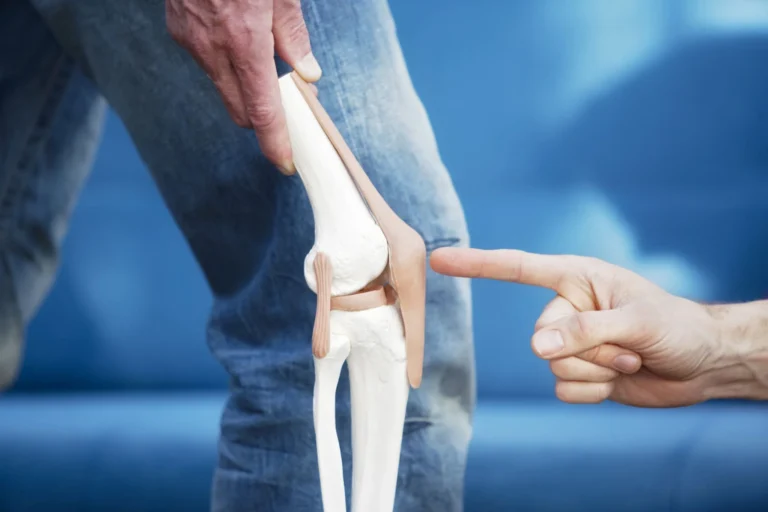
Understanding the top 5 mistakes after knee replacement can mean the difference between a smooth recovery and months of frustration, pain, or even the need for revision surgery.
Every year, thousands of Australians undergo total knee replacement surgery to escape the grip of chronic knee pain. The procedure itself is remarkably successful. But here is the truth most people do not hear: what happens after surgery matters just as much as what happens during it.
If you or a loved one is preparing for knee replacement, or you are already in the recovery phase, this guide will walk you through the most common missteps that can derail your progress. More importantly, we will show you exactly how to avoid them.
Whether you are recovering in Sydney, Brisbane, or the Gold Coast, having the right support system makes all the difference. That is where mobile physiotherapy services like those offered by Health Next Door come in, bringing expert rehabilitation directly to your home.
Why Your Post Surgery Recovery Matters More Than You Think
Knee replacement surgery is not a quick fix. It is the beginning of a rehabilitation journey that typically spans 3 to 6 months, sometimes longer.
During this critical window, your body is working overtime:
- Healing surgical incisions and internal tissues
- Integrating the prosthetic joint with surrounding bone
- Rebuilding muscle strength that may have deteriorated over years
- Restoring range of motion and flexibility
The choices you make during recovery directly impact how well your new knee will function for the next 15 to 20 years. Let us explore the mistakes that can compromise these outcomes.
Mistake 1: Skipping or Neglecting Physiotherapy Sessions
This is the most common and most damaging mistake patients make.
Many people feel a sense of relief once the initial post operative pain subsides. They think, “I am feeling better, so I can ease up on the exercises.” This is a dangerous assumption.
Why Physiotherapy Is Non Negotiable
The first 6 to 8 weeks after surgery are critical for establishing knee flexion (bending). If you do not actively work on bending your knee during this window, scar tissue forms and hardens around the joint.
Once scar tissue sets in, it becomes extremely difficult, sometimes impossible, to regain full range of motion without additional medical intervention.
What Happens When You Skip Sessions
- Joint stiffness that limits daily activities
- Muscle weakness around the knee
- Increased risk of falls due to poor balance
- Longer overall recovery time
The Solution: Consistent, Expert Guided Rehabilitation
Attending physiotherapy 2 to 3 times per week during the initial recovery phase is ideal. But we understand that getting to a clinic can be challenging when you are recovering from major surgery.
This is exactly why mobile physiotherapy services in Sydney, Brisbane, and the Gold Coast are transforming post surgery recovery. When the physiotherapist comes to you, there are no excuses to miss sessions.
Mistake 2: Doing Too Much Too Soon
On the opposite end of the spectrum, some patients become overconfident after experiencing initial improvement. They start climbing stairs aggressively, lifting heavy objects, or even attempting to jog within weeks of surgery.
This is equally dangerous.
Why Overexertion Is Risky
Your new prosthetic joint needs time to integrate with surrounding tissues. Pushing too hard can lead to:
- Increased inflammation and swelling
- Damage to healing tissues
- Potential dislocation of the prosthetic
- The dreaded “boom and bust” cycle where good days are followed by setbacks
Finding the Right Balance
A good rule of thumb: pain and swelling after exercise should settle within 1 to 2 hours. If symptoms persist longer, you have done too much.
Working with an experienced physiotherapist ensures your exercise progression is appropriately paced. The team of skilled physiotherapists can create a personalised program that challenges you appropriately without risking setbacks.
Mistake 3: Poor Pain Management
Pain after knee replacement is inevitable. How you manage it, however, can make or break your recovery.
The Two Extremes of Pain Management
Under managing pain: Some patients try to tough it out, avoiding medication altogether. The result? They cannot participate effectively in physiotherapy, sleep poorly, and healing slows down.
Over relying on medication: Others become dependent on pain relief, masking symptoms that should signal them to slow down. They may also experience side effects that interfere with rehabilitation.
The Right Approach
- Take prescribed medications as directed, especially in the first few weeks
- Use ice packs to reduce swelling (20 minutes on, 20 minutes off)
- Elevate your leg when resting
- Communicate openly with your healthcare team about pain levels
- Gradually reduce reliance on medication as healing progresses
Effective pain management allows you to engage meaningfully in rehabilitation exercises, sleep better, and recover faster.
Mistake 4: Ignoring Post Operative Instructions
Your surgical team provides detailed discharge instructions for a reason. Every guideline, from wound care to movement restrictions, is designed to protect your recovery.
Common Instructions Patients Overlook
- Sleeping position: Never place a pillow directly under your knee. This encourages the joint to heal in a bent position, leading to long term stiffness.
- Sitting habits: Avoid crossing your legs or sitting on low furniture for the first 6 weeks.
- Wound care: Keep incisions clean and dry. Watch for signs of infection such as increased redness, warmth, or discharge.
- Weight bearing: Follow specific guidelines about how much weight to put on your new knee and when.
Missing follow up appointments is another critical error. These check ups allow your surgeon to monitor healing, identify potential complications early, and adjust your recovery plan as needed.
Mistake 5: Failing to Plan Ahead for Recovery
Many patients focus so intensely on the surgery itself that they forget to prepare for what comes after.
What You Need to Organise Before Surgery
- Home modifications: Remove tripping hazards like loose rugs. Install grab bars in the bathroom. Arrange furniture to create clear walking paths.
- Support system: You will need help with daily tasks for at least the first few weeks. Arrange for a family member, friend, or professional carer to assist.
- Transport: You cannot drive for at least 6 weeks after surgery. Plan how you will get to medical appointments.
- Meals: Prepare and freeze meals in advance, or organise meal delivery services.
- Physiotherapy access: This is crucial. Book your rehabilitation sessions before surgery so you can begin within days of coming home.
Services like in home support can be invaluable during this period, providing both rehabilitation and assistance with daily activities.
In Clinic vs Mobile Physiotherapy: Which Is Better for Knee Replacement Recovery?
Both options have their place, but mobile physiotherapy offers distinct advantages for post surgical patients.
Factor | In Clinic Physio | Mobile Physio |
Travel Required | Yes, can be painful post surgery | No, physio comes to you |
Environment | Clinical setting | Your comfortable home |
Personalisation | Standard equipment | Exercises adapted to your space |
Appointment Flexibility | Limited clinic hours | More flexible scheduling |
Family Involvement | Limited | Carers can learn to assist |
Infection Risk | Exposure to clinic environment | Minimal exposure |
What Patients Say About Home Based Rehabilitation
“After my knee replacement, the thought of travelling to a clinic three times a week was overwhelming. Having my physiotherapist come to my home in Robina changed everything. I could focus entirely on my exercises without the stress of getting there. My recovery was smoother than I ever expected.”
Margaret T., Gold Coast
Additional Tips for a Successful Recovery
Nutrition Matters
Your body needs proper fuel to heal. Focus on:
- Protein rich foods for tissue repair
- Vitamin C for wound healing
- Calcium and Vitamin D for bone health
- Plenty of water to stay hydrated
Consider Complementary Therapies
Hydrotherapy can be particularly beneficial once your wound has healed. The buoyancy of water reduces stress on your new joint while allowing you to exercise with less pain.
For swelling management, lymphatic massage can help reduce fluid buildup and promote circulation.
If you have had previous strokes or neurological conditions, stroke rehabilitation exercises may need to be incorporated into your recovery plan for comprehensive care.
Who Benefits Most from Mobile Physiotherapy After Knee Replacement?
While anyone can benefit from home based rehabilitation, certain groups find it particularly valuable:
- Seniors who may have difficulty with transport or face increased fall risk
- NDIS participants who can utilise their funding for NDIS physiotherapy services
- Those with aged care packages seeking aged care physiotherapy
- Patients recovering from motor accidents covered by CTP physiotherapy or WorkCover physiotherapy
- Veterans accessing DVA physiotherapy
- Support coordinators and case managers seeking reliable rehabilitation partners for their clients
For those who cannot attend in person appointments, telehealth physiotherapy is another option for guided exercise sessions and progress monitoring.
Take the Next Step Towards a Successful Recovery
Avoiding the top 5 mistakes after knee replacement puts you firmly on the path to recovery. But you do not have to navigate this journey alone.
Whether you are in Robina, Parramatta, Chermside, or anywhere across the service areas covered by mobile physiotherapy providers, expert rehabilitation can come to your doorstep.
Ready to start your recovery with personalised, in home care?
👉 Contact Health Next Door today to book your first session
Or learn more about the team who will guide your rehabilitation journey.
For support coordinators and healthcare professionals, learn more about partnering with Health Next Door or submit a referral for your clients.
Your knee replacement was just the beginning. Your recovery is where the real transformation happens.


Health Next Door, we bring mobile physiotherapy to your doorstep, ensuring a patient-centric approach that prioritizes your needs and goals. Our experienced physiotherapists assess your condition and create a personalized therapy plan, helping you recover in the comfort of your home with expert care tailored just for you. With our comprehensive mobile physiotherapy services, you get professional treatment for pain relief, injury recovery, and mobility improvement—all without leaving your home. Experience convenient, high-quality care designed to fit your lifestyle.
View All Articles