Physiotherapy for Arthritis: Reduce Pain and Move Better at Home

What is Arthritis and Why Does It Affect So Many Australians?
Arthritis is not a single disease. It is an umbrella term covering more than 100 different conditions that affect the joints, the tissues surrounding them, and other connective tissue. What all forms of arthritis share is pain, stiffness, and some degree of reduced joint function.
In Australia, arthritis affects approximately 3.6 million people, with numbers projected to exceed 5.4 million by 2040 as the population ages. It is the leading cause of chronic pain and physical disability in adults, and it significantly affects quality of life, independence, and mental wellbeing.
The three most common types are:
- Osteoarthritis: The most prevalent form, caused by gradual breakdown of the cartilage that cushions joints. Most commonly affects the knees, hips, hands, and spine.
- Rheumatoid arthritis: An autoimmune condition in which the immune system attacks the joint lining, causing inflammation, pain, and swelling. It can affect people of any age.
- Psoriatic arthritis: Associated with the skin condition psoriasis, affecting joints and connective tissue throughout the body.
For most people, arthritis is a long-term condition that requires ongoing management rather than a one-time fix. Physiotherapy sits at the centre of that management plan.
What Does Physiotherapy Actually Do for Arthritis?
The core goal of physiotherapy for arthritis is to maintain or restore function. That means reducing pain, improving joint movement, building the muscle strength that supports affected joints, and helping people safely stay active in their daily lives.
A common fear among arthritis patients is that movement will make things worse. The evidence consistently says the opposite. Joints that stop moving become stiffer, weaker, and more painful over time. The muscles supporting those joints atrophy. Function declines.
Physiotherapy provides a carefully structured, graduated approach to movement that reduces pain while rebuilding strength and mobility. It also teaches people how to protect their joints during everyday activities, which reduces the wear and damage that contributes to arthritis progression.
“People often come to us thinking they should rest and wait for the pain to pass. The reality is that the right kind of guided movement is the most powerful thing we can offer. It takes the pressure off the joint, rebuilds the muscles around it, and gives people their confidence back.” – Senior mobile physiotherapist, Health Next Door
Key Physiotherapy Techniques Used to Treat Arthritis
Different types of arthritis respond best to different combinations of treatment. A qualified physiotherapist assesses the specific joints affected, the severity of symptoms, the patient’s overall health, and their personal goals before designing a treatment plan.
Here are the main techniques used:
Therapeutic Exercise
Exercise is the cornerstone of arthritis physiotherapy. This is not general gym exercise. It is precisely prescribed movement that targets the muscles and joint structures relevant to each patient’s condition.
Types include:
- Range of motion exercises: Gentle, repeated joint movements that prevent stiffness and maintain flexibility in the affected area
- Strengthening exercises: Resistance work targeting the muscles around affected joints, particularly the quadriceps for knee arthritis, and the hip stabilisers for hip arthritis
- Balance and coordination training: Reduces fall risk, which is significantly elevated in older adults with arthritis
- Low-impact aerobic exercise: Walking, cycling, and pool-based movement that improves cardiovascular health and supports weight management without stressing the joints
Joint Mobilisation and Manual Therapy
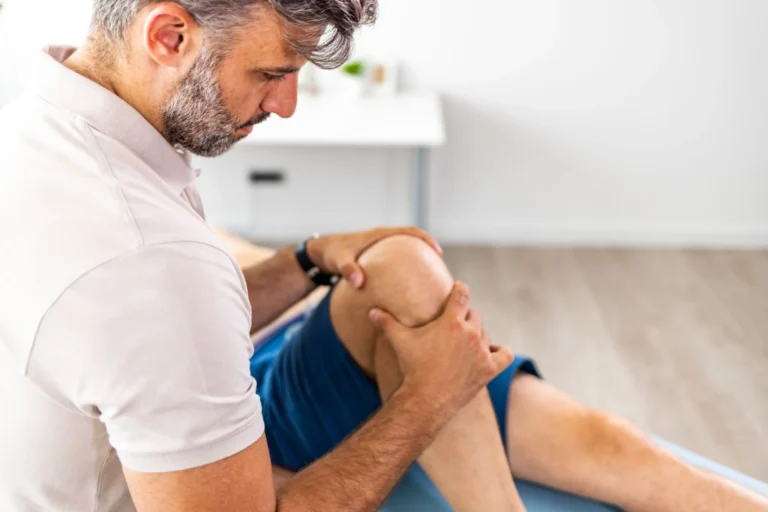
Hands-on treatment provided directly by the physiotherapist. Gentle manual techniques are used to improve joint mobility, reduce pain, and release tight surrounding soft tissues. This can provide significant short-term pain relief and is particularly effective for hip and knee osteoarthritis.
TENS and Electrotherapy
Transcutaneous electrical nerve stimulation (TENS) uses low-level electrical pulses to interrupt pain signals travelling to the brain. It is drug-free, non-invasive, and can be used during home physiotherapy sessions. Ultrasound therapy is also used to reduce inflammation in specific joint areas.
Heat and Cold Therapy
Heat packs relax tight muscles and improve circulation in stiff joints. Cold packs reduce acute inflammation and swelling in flared joints. A physiotherapist will advise on which to use, when, and for how long, based on the arthritis type and current symptom status.
Education and Joint Protection
One of the most valuable but least discussed parts of physiotherapy for arthritis is education. A physiotherapist teaches patients:
- How to move safely through daily tasks like bending, lifting, and climbing stairs
- Which positions and activities to avoid that place excess load on affected joints
- How to pace activity to avoid flare-ups
- How to use assistive aids where appropriate
This knowledge directly reduces the long-term rate of joint damage and helps people stay independent for longer.
Hydrotherapy
Warm water exercise is one of the most effective options for people with severe joint pain who find land-based exercise too uncomfortable. The buoyancy of water dramatically reduces the load on joints, allowing greater movement with less pain. Health Next Door’s dedicated hydrotherapy service is specifically designed for patients managing chronic conditions like arthritis.
How Mobile Physiotherapy Transforms Arthritis Care
For many people with arthritis, getting to a clinic is genuinely difficult. Stiff knees make driving uncomfortable. Swollen hands make gripping a steering wheel painful. Fatigue, which accompanies many forms of inflammatory arthritis, makes a clinic trip feel like a major undertaking.
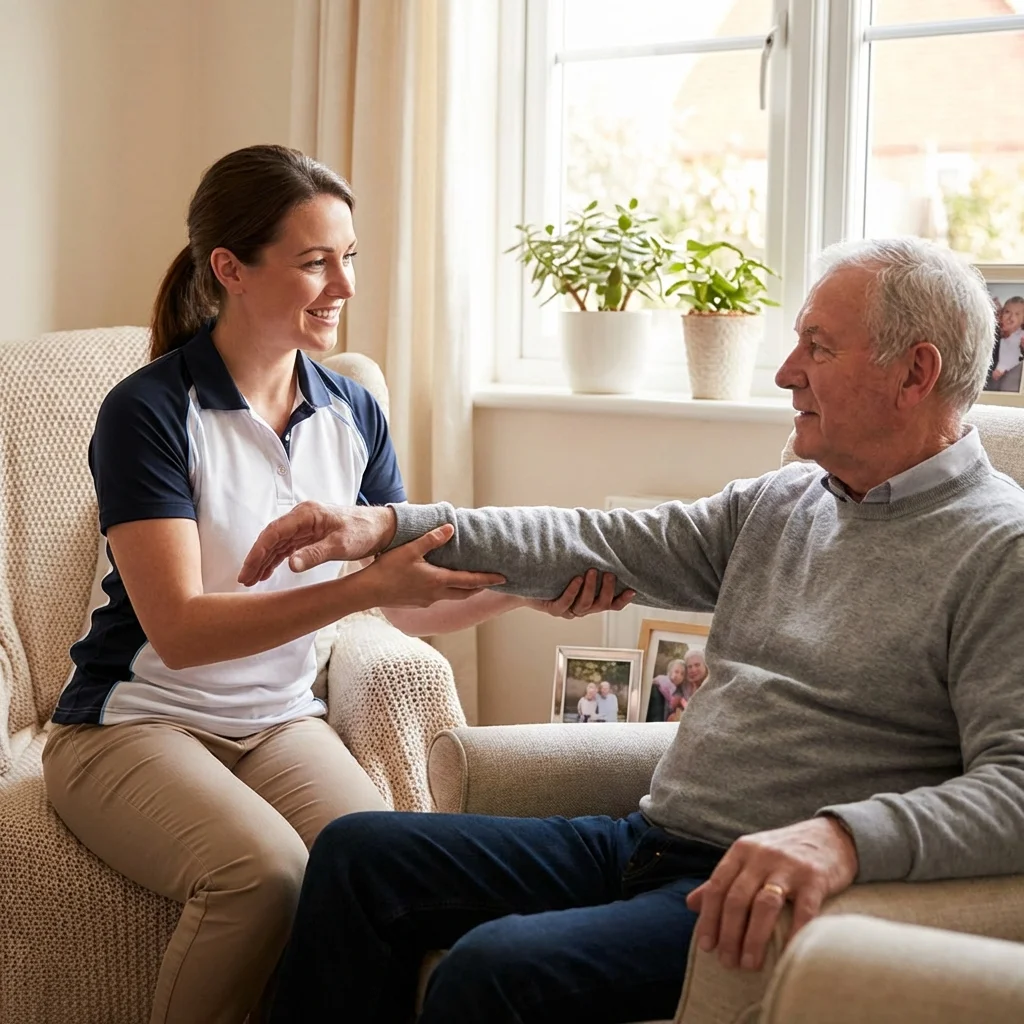
Mobile physiotherapy removes that barrier entirely. A qualified physiotherapist comes to your home, assesses your environment, and delivers the full range of treatments and exercises in the context of where you actually live.
This has several specific advantages for arthritis care:
- Functional relevance: The physiotherapist can observe how you move through your actual home environment, assess hazards, and tailor exercises to the specific challenges you face in your kitchen, bathroom, or bedroom
- Consistency: When treatment comes to you, attendance is higher. Consistent physiotherapy produces significantly better outcomes than irregular attendance
- Early detection: A physiotherapist visiting your home is well placed to notice changes in your condition or function that you may have normalised over time
- Comfort during flares: On days when joints are particularly inflamed or painful, travelling to a clinic is not realistic. Mobile physiotherapy means treatment does not have to stop on the days you need it most
The at-home physiotherapy team at Health Next Door has supported hundreds of patients across Sydney, Brisbane, and the Gold Coast to manage arthritis safely and effectively from their own homes.

Physiotherapy for Arthritis Versus Clinic-Based Treatment: A Comparison
| Factor | Mobile Home Physiotherapy | Clinic-Based Physiotherapy |
|---|---|---|
| Travel required | No | Yes |
| Suitable during flare-ups | Yes | Often difficult |
| Environment assessment included | Yes | No |
| Real-life movement coaching | Yes | Limited |
| Consistency of attendance | Higher | Variable |
| Accessibility for mobility-limited patients | High | Moderate to low |
| NDIS and DVA funded options available | Yes | Yes |
| Family or carer involvement possible | Easily | Limited |
Who Is Mobile Physiotherapy for Arthritis Most Suitable For?
Not every person with arthritis needs the same level of support. Mobile physiotherapy is particularly well suited to:
- Older adults managing osteoarthritis who find clinic travel difficult due to mobility limitations, fatigue, or transport barriers
- People with rheumatoid arthritis who experience variable pain levels and need flexible treatment that accommodates flare periods
- NDIS participants whose arthritis affects their functional capacity and daily living. NDIS physiotherapy services can include in-home arthritis management as part of a participant’s support plan
- DVA card holders who have served in the Australian Defence Force and are managing arthritis as a service-related or age-related condition. DVA physiotherapy support is available through Health Next Door
- People recovering from joint surgery who need post-operative rehabilitation that bridges the gap between hospital discharge and full independence. See more on physiotherapy after surgery
- People managing arthritis alongside other chronic conditions such as neurological disorders, where coordinated neurological physiotherapy may also be relevant
What to Expect from Your First Mobile Physiotherapy Session for Arthritis
Your first session focuses on assessment, not just treatment. A thorough understanding of your condition and how it affects your daily life is the foundation of an effective treatment plan.
During the initial assessment, your physiotherapist will:
- Ask about your arthritis history, including which joints are affected and how long you have had symptoms
- Assess your joint range of motion, muscle strength, and balance
- Observe how you move through functional tasks such as sitting, standing, and walking
- Review your home environment for fall risks or physical barriers to your recovery
- Discuss your personal goals, whether that is getting back to gardening, walking without pain, or simply managing daily activities with greater ease
- Design a personalised treatment plan with clear, measurable goals
From that point, sessions are structured around progressive exercise, hands-on treatment, and education. Progress is tracked at regular intervals and the plan is adjusted as you improve.
To get started, you can learn more about what an in-home physiotherapy assessment involves and what to prepare before your first visit.
Arthritis and the Importance of Staying Active
One of the most important messages in arthritis management is that movement is medicine. Exercise does not cause joint damage in most cases of arthritis. The fear of making things worse often leads people to become less active, which accelerates muscle wasting, weight gain, and ultimately worsens both pain and disability.
For external reference on current Australian arthritis exercise guidelines, Arthritis Australia provides evidence-based recommendations for staying active with arthritis.
Research consistently shows that:
- Strength training reduces pain and improves function in knee osteoarthritis
- Aerobic exercise reduces systemic inflammation associated with rheumatoid arthritis
- Balance training reduces fall risk, which is critically important given that falls are a leading cause of hospitalisation in older adults with arthritis
- Hydrotherapy is particularly effective for people with severe pain who cannot yet tolerate land-based exercise
The key is that exercise for arthritis needs to be correctly prescribed and progressed. The wrong type of exercise, done incorrectly or at the wrong intensity, can cause flares or injury. This is why self-directed exercise YouTube videos are no substitute for a physiotherapist’s clinical assessment and personalised program.


Health Next Door, we bring mobile physiotherapy to your doorstep, ensuring a patient-centric approach that prioritizes your needs and goals. Our experienced physiotherapists assess your condition and create a personalized therapy plan, helping you recover in the comfort of your home with expert care tailored just for you. With our comprehensive mobile physiotherapy services, you get professional treatment for pain relief, injury recovery, and mobility improvement—all without leaving your home. Experience convenient, high-quality care designed to fit your lifestyle.
View All Articles