Physiotherapy After Surgery: Your Complete Guide to Recovering at Home
Quick Overview:
Physiotherapy after surgery is one of the most important steps in a safe, full recovery. It helps reduce pain, rebuild strength, restore movement, and prevent complications like blood clots, muscle wasting, and joint stiffness.
For many people in Sydney, Brisbane, and the Gold Coast, getting to a clinic shortly after surgery is not realistic. That is where mobile physiotherapy makes a real difference: a qualified physiotherapist comes directly to your home, delivering the same expert care you would receive in a clinic, without the stress of travel.
This guide covers:
- Why physiotherapy after surgery is essential
- Which surgeries benefit most from post-operative physio
- What to expect in your first home visit session
- How mobile physio compares to clinic-based care
- When to start physio after surgery
- Frequently asked questions
Whether you have just had a knee replacement, hip surgery, cardiac procedure, or spinal operation, this article will help you understand what good post-surgical rehabilitation looks like and how to access it from the comfort of home.
Why Physiotherapy After Surgery Matters So Much
Surgery puts significant stress on the body. Even a successful operation leaves behind swollen tissue, weakened muscles, disrupted nerve pathways, and restricted joint movement.
Without guided rehabilitation, the body does not always heal the way it should. Scar tissue can form in ways that limit movement. Muscles that were cut or bypassed during surgery can become permanently weak if they are not retrained properly.
Table of Contents
TogglePhysiotherapy after surgery addresses all of this. A skilled physio works with your body’s natural healing process, giving it the right stimulus at the right time to restore function safely.
The Australian Physiotherapy Association consistently highlights that early, guided rehabilitation after surgery leads to faster return to daily activities, lower rates of re-admission, and better long-term outcomes for patients.
The benefits of post-surgical physiotherapy include:
- Reduced pain and swelling through targeted manual therapy and movement
- Stronger muscles rebuilt through progressive exercise
- Improved circulation to speed tissue healing and reduce clot risk
- Restored joint range of motion so daily tasks become easier
- Improved balance and coordination particularly important after lower limb surgery
- Greater confidence in moving and weight-bearing again
- Prevention of long-term complications like frozen shoulder or chronic stiffness
Which Surgeries Benefit Most From Post-Operative Physio?
Almost every type of surgery benefits from physiotherapy. Some procedures have a stronger, more immediate rehabilitation need than others.
Orthopaedic and joint surgeries have the highest rehab demand because they directly affect the muscles, bones, and joints used for movement:
- Knee replacement (total and partial)
- Hip replacement
- ACL reconstruction and other knee ligament repairs
- Shoulder reconstruction or rotator cuff repair
- Spinal surgery including disc procedures and fusions
- Ankle ligament repairs and fracture fixation
If you have recently had a knee procedure, our guide on the top 5 mistakes after knee replacement is essential reading before you begin rehabilitation.
Cardiac and thoracic surgeries also require specific breathing and mobilisation exercises to protect lung function and cardiovascular recovery.
Abdominal and gynaecological surgeries often leave core muscles weakened, which can affect posture, back stability, and pelvic floor function.
Neurological and cancer surgeries may require more complex rehabilitation programs to address movement disorders, fatigue, or neurological changes.
Regardless of what surgery you have had, your physio will tailor every aspect of your program to your specific procedure, your current health status, and your personal recovery goals.
When Should You Start Physiotherapy After Surgery?
This is one of the most common questions people ask after surgery, and the answer is: sooner than most people expect.
For many procedures, physiotherapy begins within 24 to 48 hours of surgery, while you are still in hospital. A hospital-based physio will guide early mobilisation, breathing exercises, and safe movement to get you upright and moving as quickly as possible.
Once you are discharged home, the rehabilitation work continues. This is the phase where many people fall through the cracks. They are told to “rest” or to “follow up with a physio” but they are not sure how to organise it, and getting to a clinic feels overwhelming when you can barely get out of bed.
This is exactly the gap that in-home physiotherapy fills.
Our experienced home visit physio specialists begin post-discharge care from day one, picking up seamlessly from what your hospital team started. You do not lose momentum, and you do not risk losing the gains you made in those critical first days.
General timing guidelines by surgery type:
| Surgery Type | When to Start Post-Op Physio |
|---|---|
| Knee or hip replacement | Within 1 to 3 days post-discharge |
| ACL reconstruction | Within 1 week of surgery |
| Rotator cuff repair | As directed by surgeon, often 2 to 4 weeks |
| Spinal surgery | Within 1 to 3 days post-discharge (walking focus) |
| Cardiac surgery | Day 1 or 2 post-op, guided breathing exercises |
| Abdominal surgery | Early mobilisation within 24 to 48 hours |
Note: Always follow your surgeon’s specific guidance on when to begin rehabilitation. Your mobile physiotherapist will liaise with your surgical team where necessary.
What Happens in a Home Physio Session After Surgery?
Many people are unsure what to expect from their first home visit after surgery. Here is how it typically works when you choose dedicated in-home rehabilitation experts.
Step 1: Initial Assessment
Your physio arrives at your home and conducts a thorough assessment. This covers:
- Your surgical procedure and discharge notes
- Current pain levels and swelling
- Range of movement at the affected joint or body part
- Muscle strength and coordination
- Walking ability and balance
- Your home environment and any safety risks
- Your personal goals for recovery
Step 2: Personalised Treatment Plan
Based on the assessment, your physio creates a rehabilitation plan that is specific to your surgery, your fitness level, and what you want to achieve. This is not a generic “post-knee-surgery protocol.” It is built around you.
Step 3: Hands-On Treatment and Exercise Guidance
Each session typically includes a combination of:
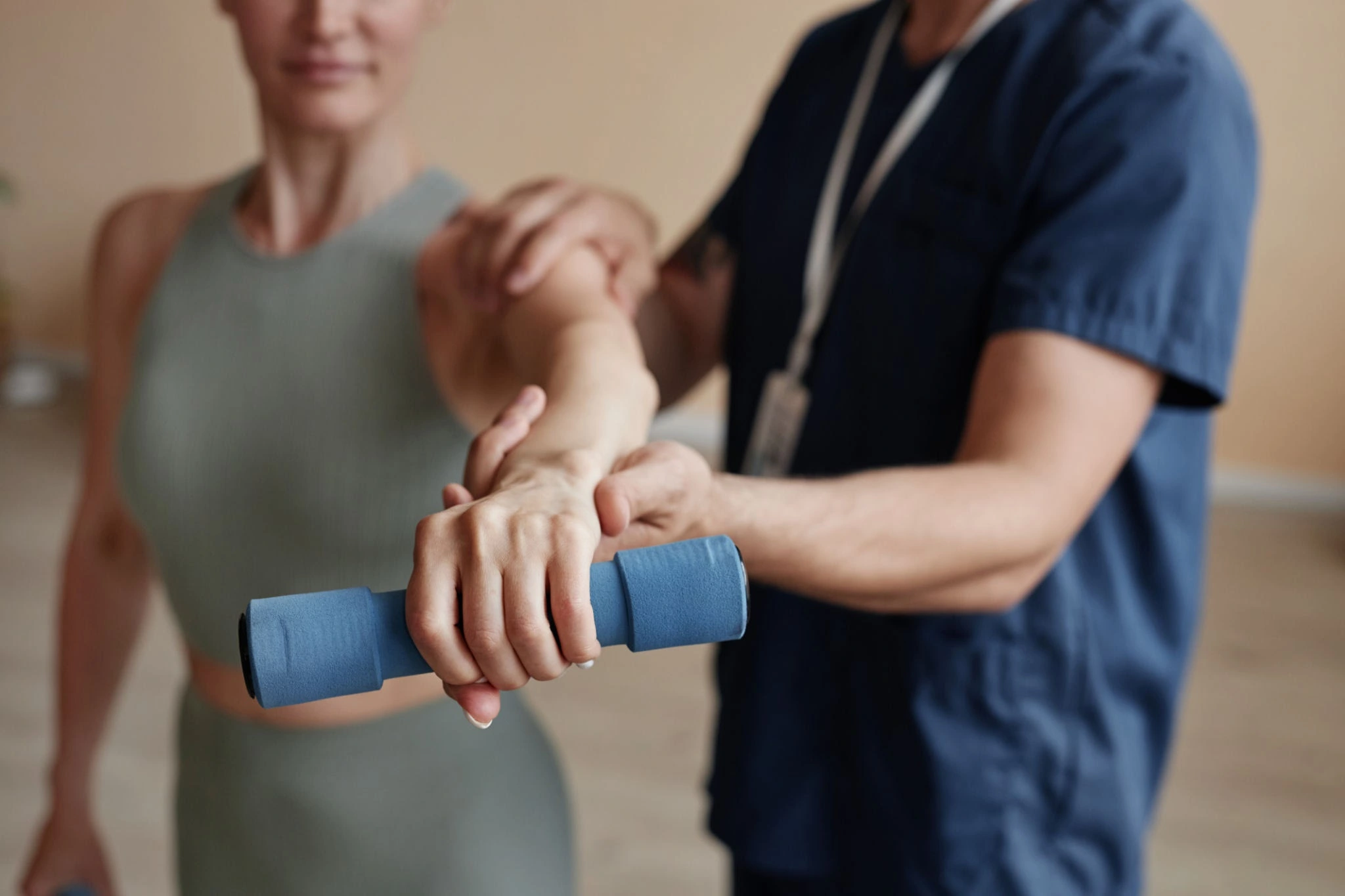
- Manual therapy: Gentle joint mobilisation or soft tissue massage to reduce stiffness and pain
- Therapeutic exercises: Progressively challenging movements to rebuild strength and coordination
- Gait training: Relearning safe walking patterns, with or without assistive devices
- Breathing exercises: Particularly important after cardiac or thoracic procedures
- Education: Teaching you what to do between sessions and what warning signs to watch for
Step 4: Progress Tracking and Plan Adjustment
Recovery is not linear. Your physio monitors your progress at every session and adjusts the program based on how your body is responding. If you are healing faster than expected, the program advances. If you hit a difficult patch, the plan is modified to protect your recovery.
The Mobile Physiotherapy
Recovery Journey
From your first home assessment to long-term outcomes — expert rehabilitation that comes to you in Sydney, Brisbane and the Gold Coast
| Factor | 🏠 In-Home Physio | 🏥 Clinic Physio |
|---|---|---|
| Travel required | ✔None at all | ✘Yes, difficult post-surgery |
| Pain and fatigue | ✔Managed in your own space | ✘Travel can worsen both |
| Exercise relevance | ✔Tailored to your home | ✘Generic clinic environment |
| Home safety check | ✔Included every visit | ✘Not possible remotely |
| Infection exposure | ✔Lower risk | ✘Shared waiting rooms |
| Family involvement | ✔Easy to include carers | More limited |
| Appointment flexibility | ✔Around your recovery | Fixed clinic slots |
In-Home Physio vs Clinic Physio After Surgery: What Is the Difference?
Both models have genuine value, but for post-surgical patients, in-home physiotherapy often delivers measurably better early outcomes. Here is a clear comparison:
| Factor | In-Home Physiotherapy | Clinic-Based Physiotherapy |
|---|---|---|
| Travel required | None | Yes, often difficult post-surgery |
| Pain and fatigue | Managed in your own space | Travel can worsen pain and exhaustion |
| Environment | Your actual living space | Generic clinic setting |
| Relevance of exercises | Tailored to your home setup | May not reflect your real environment |
| Safety assessment | Included (falls risks identified) | Not possible remotely |
| Infection risk | Lower (fewer people) | Higher (shared waiting rooms) |
| Flexibility | Appointments around your recovery | Fixed appointment slots |
| Family involvement | Easy to include carers | More limited |
For people recovering from joint replacements, spinal surgery, or cardiac procedures, the benefits of staying home are clear. You can explore more about what at-home physiotherapy services look like in practice.
To understand the full scope of what mobile physio involves, read our detailed overview of what is mobile physiotherapy and how it works.
Common Post-Surgical Conditions We Treat
Sydney’s trusted mobile physiotherapy team works with patients across a wide range of post-surgical scenarios. Some of the most common include:
After knee surgery: Managing swelling, rebuilding quad and hamstring strength, restoring full knee bend and straightening. If you are dealing with ongoing knee pain at home, our guide on physiotherapy for knee pain at home provides practical information on what targeted treatment looks like.
After hip replacement: Regaining safe walking patterns, hip muscle strength, and confidence with daily activities like stairs, getting in and out of cars, and low chairs. Our dedicated resource on physiotherapy after hip replacement goes into detail on what recovery involves.
After spinal surgery: Core strengthening, posture correction, safe movement patterns, and gradual return to activity without aggravating the surgical site.
After cardiac surgery: Graduated walking programs, breathing exercises, and cardiovascular reconditioning under careful physiotherapist supervision.
After shoulder surgery: Gentle range-of-motion work, rotator cuff strengthening, and functional movements to restore arm use for daily tasks.
Long-term pain management post-surgery: Some patients develop persistent pain after surgery. Our physiotherapists are experienced in managing physiotherapy for chronic pain using evidence-based approaches that address both physical and functional recovery.
A Word From a Patient
“After my knee replacement, I honestly did not know how I was going to manage the rehab. Getting to a clinic felt impossible. Having the physio come to my home was life-changing. She assessed my whole house, spotted a tripping hazard I had not even noticed, and built my program around my kitchen bench for balance work. I was walking properly within six weeks.”
Patient, Sydney
Who Can Benefit From Mobile Post-Surgical Physio?
Professional mobile physiotherapy providers serve a wide range of patients recovering from surgery, including:
- Older adults and seniors who face increased falls risk and need careful, supervised rehabilitation
- People living alone who need professional support and safety monitoring during recovery
- Patients with limited transport including those who cannot drive during recovery
- NDIS participants whose plans include physiotherapy support as part of their recovery goals
- DVA card holders entitled to physiotherapy services as part of their veteran health care
- WorkCover and CTP patients recovering from surgery related to a workplace or motor vehicle injury
- People with additional health conditions such as diabetes, heart disease, or obesity that make recovery more complex
We serve patients across Sydney, Brisbane, and the Gold Coast. To find out whether we cover your area, visit our areas we service page.
Ready to get started? Contact the Health Next Door team today to book your post-surgical home assessment.
What to Look For in a Post-Surgical Mobile Physiotherapist
Not all mobile physio services are the same. When choosing who will guide your rehabilitation after surgery, look for:
- AHPRA registration: All practising physiotherapists in Australia must be registered with the Australian Health Practitioner Regulation Agency
- Post-surgical experience: Ask specifically whether the physio has experience with your type of surgery
- Clear communication with your surgical team: Your physio should be prepared to liaise with your surgeon or hospital discharge team
- A thorough initial assessment: A good physio does not jump straight into exercises without fully understanding your situation
- A written plan: You should know what you are working toward and why
- Transparent progress tracking: You should be able to see that you are improving over time
Our professional mobile physiotherapy providers tick every one of these boxes. Every client receives a structured rehabilitation plan, regular progress reviews, and direct communication with their broader healthcare team where needed.
Ready to Start Your Recovery at Home?
Surgery is a big event. The rehabilitation that follows should be just as carefully planned.
Health Next Door’s experienced home visit physio specialists bring expert post-surgical rehabilitation directly to your door across Sydney, Brisbane, and the Gold Coast. Whether you are a few days out of hospital or a few weeks into a recovery that is not going as planned, we are here to help.
Book your home physio assessment today at healthnextdoor.com.au
Or explore our full range of mobile physiotherapy services to find out how we can support your recovery journey.
You Can Find All Answers Here
For most surgeries, a mobile physiotherapist can begin home visits within a few days of discharge from hospital. Some patients start even sooner if their surgeon recommends it. Your physio will always review your discharge notes and liaise with your medical team to confirm the safest start time for your specific procedure.
Many private health funds cover mobile or home-visit physiotherapy under their extras cover. The best approach is to contact your health fund directly to confirm your entitlements. Our team can also help guide you through the process of understanding your cover options.
Yes. NDIS participants can access physiotherapy after surgery as part of their funded support, provided physiotherapy is included in their plan under Capacity Building or Daily Activities categories. Our team has extensive experience working within the NDIS framework. You can learn more on our NDIS physiotherapy services page.
This varies considerably depending on the type of surgery, your age, your baseline fitness, and your goals. A straightforward knee arthroscopy might require 6 to 8 sessions. A total knee or hip replacement typically requires ongoing rehabilitation over 3 to 6 months. Your mobile physiotherapist will give you a realistic projection after your initial assessment.
For most post-surgical patients, yes. Research consistently shows that well-structured home-based physiotherapy produces comparable outcomes to clinic-based care, with the added benefits of no travel stress, exercises tailored to your real home environment, and a safer, more comfortable recovery setting. For patients who are elderly, have mobility challenges, or live alone, home-based physio often produces superior outcomes because it removes the barriers that would otherwise cause people to miss sessions.
Get Physio Care at Home – No Waiting, Just Relief!
We bring expert physiotherapy directly to your door, with no hassle or long wait times. Our skilled, NDIS-approved physiotherapists are here to help you feel better, faster.
Health Next Door, we bring mobile physiotherapy to your doorstep, ensuring a patient-centric approach that prioritizes your needs and goals. Our experienced physiotherapists assess your condition and create a personalized therapy plan, helping you recover in the comfort of your home with expert care tailored just for you. With our comprehensive mobile physiotherapy services, you get professional treatment for pain relief, injury recovery, and mobility improvement—all without leaving your home. Experience convenient, high-quality care designed to fit your lifestyle.
View All Articles